
Blog
Menu Optimization: Boosting Restaurant Profits and Engagement
Menu optimization increases restaurant profits, enhances customer experience, and streamlines decision-making. Learn strategies, mistakes, and proven techniques.
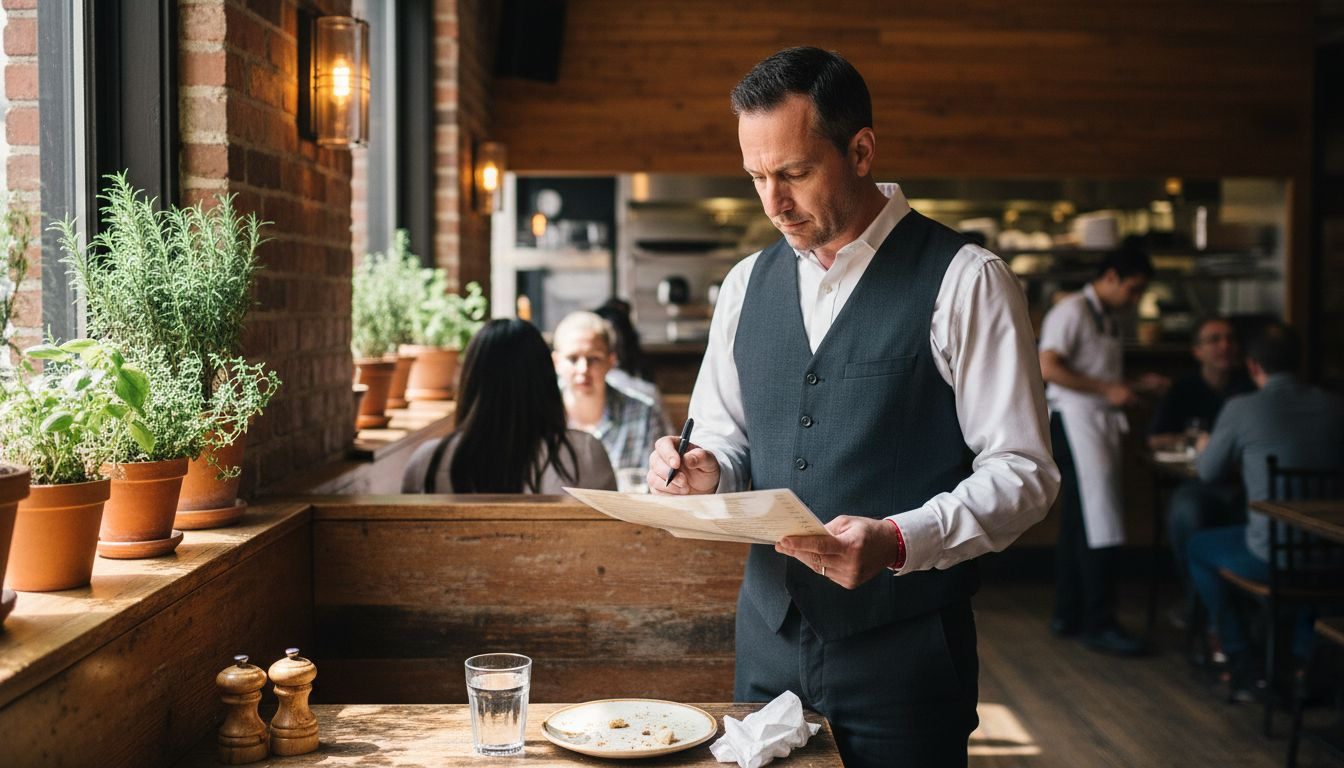
Menu Optimization: Boosting Restaurant Profits and Engagement
Many restaurant owners in cities like New York and Miami underestimate just how much a menu can impact the bottom line. The truth is, your menu is more than a list of dishes—it is a powerful marketing tool shaped by strategic menu engineering. Understanding the psychology behind menu design and leveraging data-driven techniques can help you capture customer attention, increase satisfaction, and drive consistent profit growth.
Table of Contents
Key Takeaways
| Point | Details |
| Menu Optimization Is a Strategic Science | It combines marketing psychology, consumer behavior, and financial analysis to influence dining choices and increase profitability. |
| Data-Driven Decisions Are Crucial | Regularly analyze item-level profitability and customer preferences to guide menu changes and maximize revenue. |
| Technology Enhances Menu Engineering | Utilize advanced analytics and AI tools to track performance, adjust pricing, and optimize dish offerings effectively. |
| Continuous Experimentation is Key | Treat menu optimization as an ongoing process; regularly test and refine menu elements based on customer feedback and performance data. |
Menu Optimization Defined and Common Misconceptions
Menu optimization represents a sophisticated marketing strategy that goes far beyond simply listing dishes and prices. Strategic menu engineering involves a complex psychological approach to influence customer behavior, drive profitability, and enhance overall dining experiences.
At its core, menu optimization involves carefully crafting visual, textual, and structural elements to guide customer choices. Restaurants aren’t just presenting food - they’re creating a strategic narrative that impacts purchasing decisions. Key elements of effective menu optimization include:
-
Visual design and layout
-
Strategic pricing placement
-
Descriptive language selection
-
Psychological positioning of high-margin items
-
Color and typography choices
Many restaurant owners mistakenly believe menu optimization is about aesthetics or simply reducing complexity. In reality, it’s a data-driven approach that combines marketing psychology, consumer behavior research, and precise financial analysis.
Menu design is not just art - it’s a sophisticated science of understanding and influencing customer decision-making processes.
Common misconceptions about menu optimization often stem from oversimplified thinking. Some believe that cheaper prices automatically drive sales or that menu design doesn’t significantly impact revenue. However, strategic menu engineering can increase restaurant profits by guiding customers toward more profitable selections without feeling manipulated.
Pro tip: Conduct A/B testing on your menu design to understand which visual and textual elements most effectively drive customer choices and increase average check size.
Core Strategies for Menu Profitability
Restaurant profitability hinges on more than just culinary excellence - it demands strategic menu engineering. Data-driven menu optimization approaches have emerged as critical tools for restaurants seeking to maximize revenue and customer satisfaction.
Successful menu profitability strategies encompass several key dimensions:
-
Precise food cost analysis
-
Dynamic pricing techniques
-
Strategic item placement
-
Psychological menu design
-
Regular performance monitoring
Technology plays a transformative role in modern menu optimization. Restaurants can now leverage advanced analytics and AI-powered tools to make informed decisions about pricing, ingredient selection, and menu composition. These technologies enable restaurateurs to understand granular details about dish performance, customer preferences, and profit margins.
Effective menu profitability is about creating a delicate balance between customer appeal and financial performance.
One critical strategy involves implementing a menu pricing calculator to determine optimal price points that balance ingredient costs, labor expenses, and desired profit margins. By systematically analyzing each menu item’s financial contribution, restaurants can make data-driven decisions that enhance overall profitability.
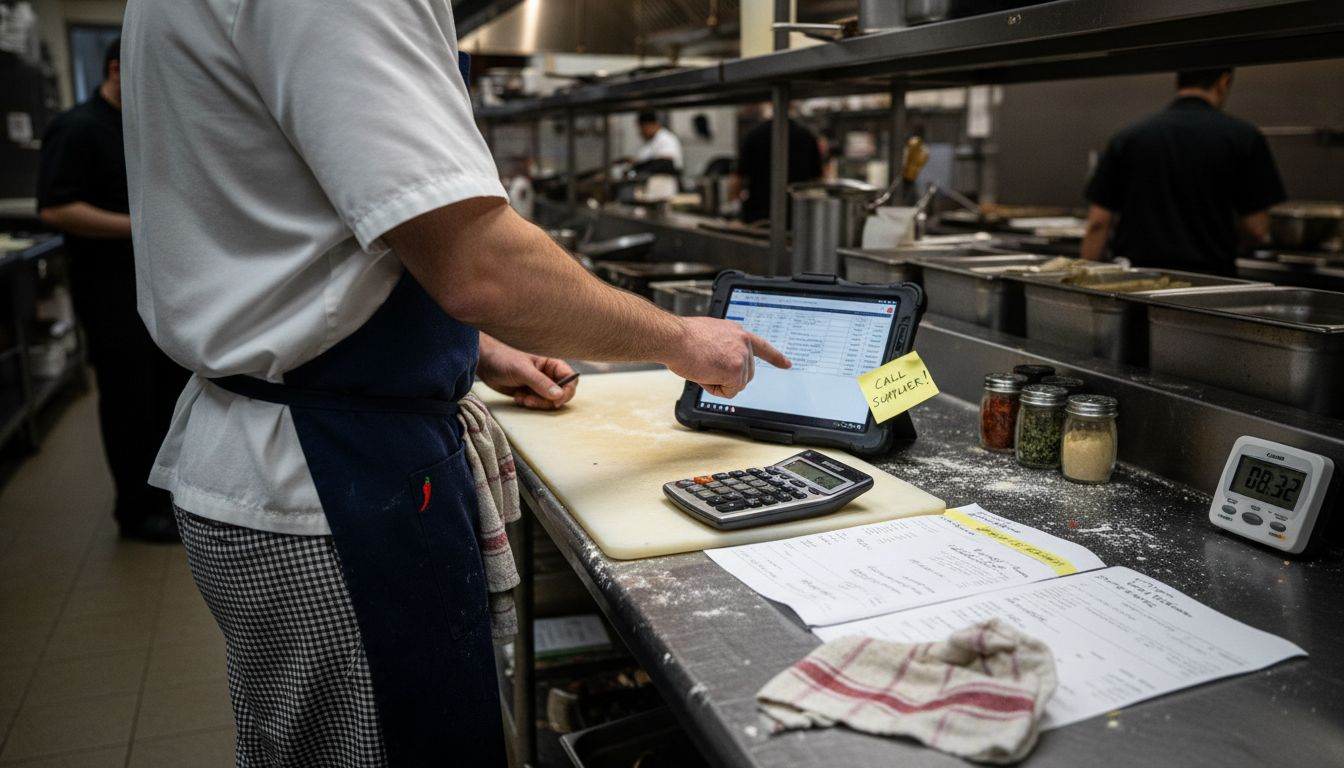
Restaurants must also embrace continuous experimentation. This means regularly testing menu layouts, adjusting pricing, and monitoring customer responses. Successful establishments treat their menu as a living document - constantly evolving to meet changing market demands and customer preferences.
Pro tip: Conduct monthly menu performance reviews, tracking individual dish profitability and customer sales data to make informed optimization decisions.
Psychological Drivers of Customer Choices
Customer decision-making is a complex psychological process deeply influenced by subtle menu design elements. Menu design psychology reveals how strategic visual and linguistic cues can dramatically shape dining choices.
Key psychological drivers that influence customer selections include:
-
Sensory language triggering emotional responses
-
Visual hierarchy and item placement
-
Cognitive price perception
-
Perceived value manipulation
-
Unconscious decision-making triggers
Descriptive menu language plays a critical role in customer perception. Cognitive triggers in menu design demonstrate that sensory-rich descriptions can increase a dish’s perceived value by up to 27%, making customers more likely to select and enjoy menu items.
The human brain makes dining decisions through a complex web of emotional and rational triggers, not just logical food selection.
Restaurants can leverage psychological principles by implementing strategic design techniques. Removing currency symbols, using descriptive language, and carefully positioning high-margin items can subtly guide customer choices without feeling manipulative. The goal is creating a menu that feels like a natural, enjoyable selection process.
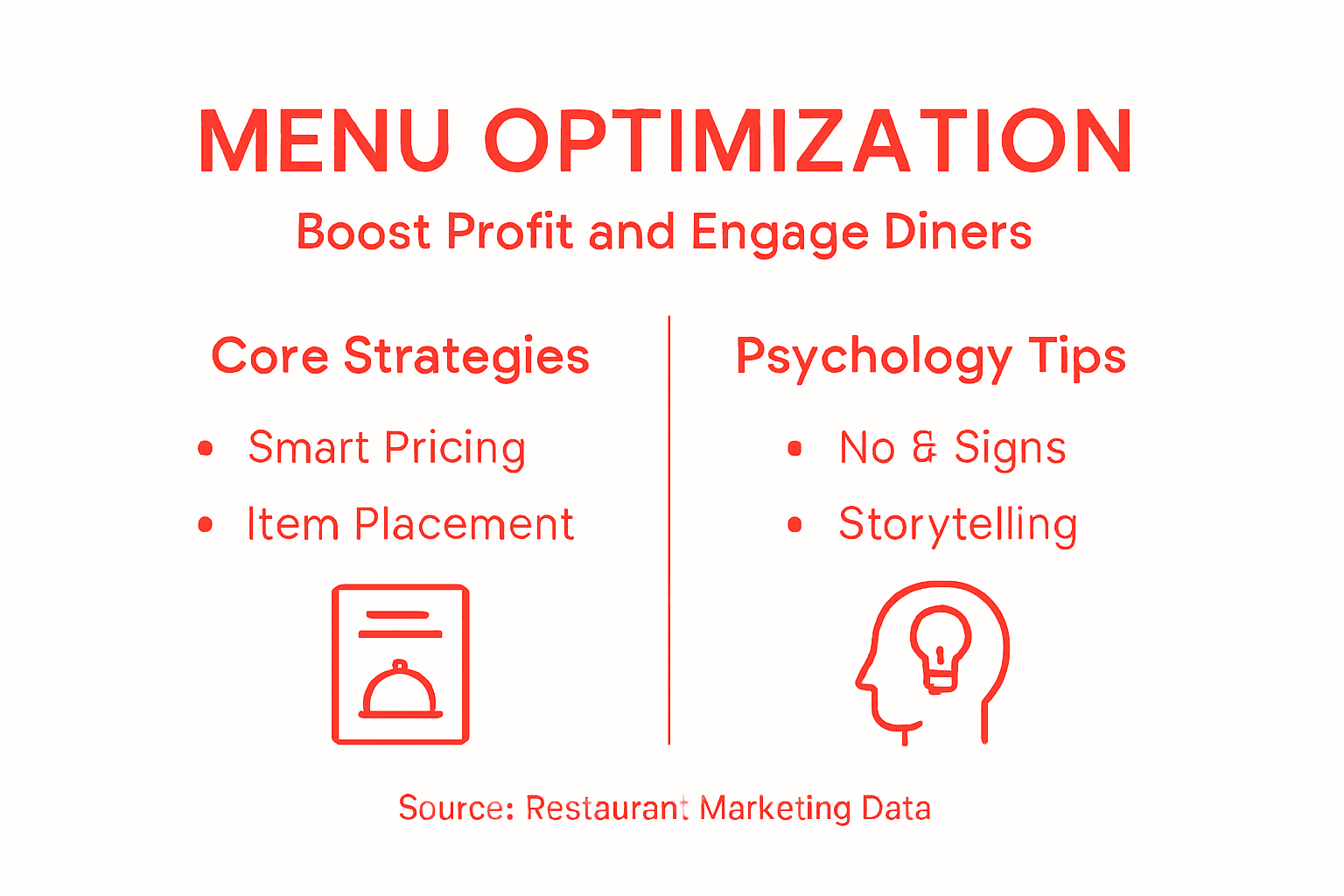
Understanding these psychological nuances allows restaurants to craft menus that not only look appealing but strategically influence customer behavior. By combining visual design, linguistic psychology, and strategic placement, restaurants can create a dining experience that feels both exciting and intuitive.
Pro tip: Use sensory-rich, storytelling language when describing menu items to create emotional connections that drive customer selections.
Technology’s Impact on Menu Engineering
Technology has transformed menu engineering from an intuitive art to a precise, data-driven science. Digital technologies in menu optimization are revolutionizing how restaurants approach menu design, performance tracking, and strategic decision-making.
Key technological innovations reshaping menu engineering include:
-
Artificial Intelligence (AI) driven analytics
-
Real-time sales performance tracking
-
Personalized menu recommendation systems
-
Predictive inventory management
-
Dynamic pricing algorithms
Menu analytics technologies enable restaurants to transform raw sales data into actionable insights. By analyzing customer preferences, purchasing patterns, and item performance, restaurants can make precise adjustments that directly impact profitability and customer satisfaction.
Technology converts menu design from guesswork into a strategic, measurable science.
Modern restaurants leverage sophisticated tools that provide granular insights into menu performance. Advanced software can track everything from dish popularity and profit margins to customer demographics and seasonal trends. These technologies allow for rapid, data-driven menu iterations that traditional methods could never achieve.
Embracing these technological solutions requires a strategic approach. Restaurants must invest in robust analytics platforms, train staff to interpret data effectively, and remain flexible enough to implement insights quickly. The most successful establishments view technology not as a replacement for culinary creativity, but as a powerful enhancement tool.
Here is a summary of how technological tools elevate menu optimization efforts:
| Tool Type | Main Function | Business Impact |
| AI-driven Analytics | Predicts customer dish preferences | Improves menu targeting accuracy |
| Real-time Sales Tracking | Monitors best and worst sellers | Enables fast menu adjustments |
| Dynamic Pricing Systems | Adjusts prices based on demand | Maximizes profits during peak hours |
| Inventory Management | Forecasts ingredient needs | Reduces waste and food costs |
| Recommendation Engines | Personalizes suggestions for guests | Boosts upselling and satisfaction |
Pro tip: Invest in integrated restaurant management platforms that provide comprehensive menu analytics and performance tracking capabilities.
Avoiding Costly Menu Optimization Mistakes
Menu optimization is a complex process fraught with potential financial pitfalls that can dramatically impact restaurant profitability. Menu optimization challenges reveal critical errors that can undermine strategic efforts to enhance menu performance.
Common menu optimization mistakes include:
-
Neglecting food cost constraints
-
Failing to analyze item-level profitability
-
Overlooking seasonal ingredient availability
-
Ignoring customer preference data
-
Implementing changes without systematic testing
Global restaurant optimization insights demonstrate that many restaurants compromise their financial health by making uninformed menu modifications. Successful optimization requires a rigorous, data-driven approach that balances creative culinary vision with precise financial analysis.
Intuition alone cannot replace comprehensive data analysis in menu engineering.
Restaurants often make critical errors by treating menu optimization as a one-time event rather than an ongoing strategic process. This approach can lead to missed opportunities, inefficient pricing, and reduced profitability. The most successful establishments view menu optimization as a continuous cycle of analysis, experimentation, and refinement.
The table below highlights costly menu optimization mistakes and their long-term effects:
| Mistake | Consequence | Preventive Action |
| Ignoring food cost structure | Reduced profit margins | Conduct regular cost reviews |
| Overlooking seasonality | Ingredient waste and stockouts | Plan menu changes quarterly |
| Skipping item-level profitability checks | Promoting unprofitable dishes | Analyze dish-level data often |
| Failing to test menu changes | Missed opportunities, confusion | Use A/B testing and feedback |
| Not using customer preference data | Less appealing menu, lost sales | Leverage analytics systems |
Understanding these potential pitfalls allows restaurants to develop more robust menu strategies. By embracing systematic testing, leveraging data analytics, and maintaining flexibility, restaurants can transform menu optimization from a potential risk into a significant competitive advantage.
Pro tip: Implement a quarterly menu review process that systematically evaluates each dish’s performance, cost structure, and customer feedback.
Transform Your Menu Optimization Strategy with Expert Marketing Solutions
Menu optimization is a critical challenge for restaurant owners who want to boost profits and engage customers effectively. This article highlights key pain points like balancing food cost analysis, mastering dynamic pricing, and leveraging psychological menu design—all vital elements to guide diners toward profitable choices. Understanding these concepts can feel overwhelming without the right tools and support.
Elevate your restaurant’s performance with Sorbey’s all in one marketing for local business like restaurants. Our platform harnesses data-driven insights to improve your menu engineering, helps test pricing strategies, and connects you with digital tools that transform guesswork into smart decisions. Don’t let costly menu mistakes hold you back—explore how Sorbey’s solutions empower your team to continuously optimize and adapt. Ready to unlock higher profits and customer satisfaction? Visit Sorbey.co to get started today.
Frequently Asked Questions
What is menu optimization in restaurants?
Menu optimization is a strategic marketing process that involves crafting the design, layout, and content of a restaurant’s menu to influence customer choices, drive profitability, and enhance the overall dining experience.
How can menu optimization increase restaurant profitability?
Menu optimization can increase profitability by analyzing food costs, strategically pricing items, and guiding customers towards high-margin selections through effective visual and linguistic techniques.
What role does technology play in menu optimization?
Technology transforms menu optimization by providing data-driven insights through AI analytics, real-time sales tracking, and predictive inventory management, allowing restaurants to make informed decisions and continuously refine their menus.
What are common mistakes to avoid during menu optimization?
Common mistakes include neglecting food cost constraints, failing to analyze item-level profitability, overlooking seasonal ingredient availability, and implementing changes without systematic testing. Regular reviews and testing can prevent these errors.
Recommended
También te puede interesar

Best Restaurant Loyalty Programs 2026: ROI Guide
Discover the best restaurant loyalty programs 2026 that boost repeat visits. Learn how Sorbey’s platform can transform your guest data strategy!

Why Mobile Marketing Matters for Business Growth
Discover why mobile marketing matters for business growth. Learn how optimizing for mobile drives traffic, conversions, and customer retention.

SF Dim Sum Restaurant Marketing Checklist for 2026
Transform your SF dim sum with our 2026 marketing checklist. Optimize your profile, showcase dishes, and attract customers fast!