
Blog
SF Dim Sum Restaurant Marketing Checklist for 2026
Transform your SF dim sum with our 2026 marketing checklist. Optimize your profile, showcase dishes, and attract customers fast!
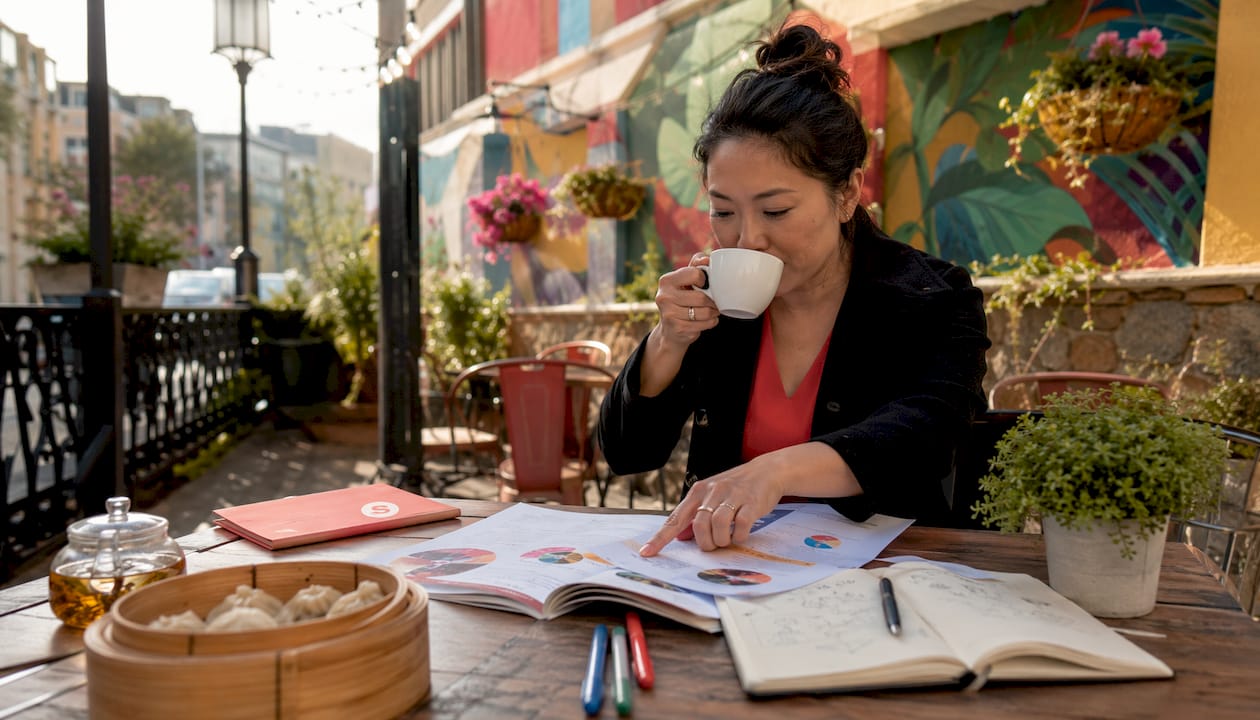
SF Dim Sum Restaurant Marketing Checklist for 2026
Start today with three moves that pay off fast: optimize your Google Business Profile, post high-quality visual content tied to your ordering link, and run a soft opening with local food writers and influencers. Everything else in this SF restaurant dim sum marketing checklist builds on those three.
Quick-start checklist (week one):
- Claim and verify your Google Business Profile with accurate hours, address, and phone
- Upload at least 10 high-resolution photos of your most photogenic dishes (har gow, siu mai, egg tarts)
- Enable online ordering through Square, Toast, or ChowNow, and add the link to your GBP and Instagram bio
- Set up reservations via OpenTable or Resy and confirm the widget is live on your website
- Post three times on Instagram and once on TikTok before your soft opening date
- Create a simple UTM link (e.g.,
?utm_source=instagram&utm_medium=social) to track reservation clicks from each platform
First-week KPIs to watch: GBP profile views and direction requests, reservation count from each source, and Instagram engagement rate on food photos. Food-related posts for visually appealing dishes like dim sum can increase engagement by roughly 65%, and a properly optimized GBP can increase clicks and direction requests by over 50%.
Table of Contents
- What does a 30/60/90-day dim sum marketing plan look like?
- How should you handle reviews and reputation management?
- What paid local promotions work best for SF dim sum restaurants?
- How do you connect with San Francisco neighborhoods and local events?
- Seasonal and cultural festival marketing for SF dim sum
- How do local food bloggers and media help beyond influencer posts?
- How do you differentiate from other SF dim sum restaurants?
- Sorbey puts this checklist into motion for your restaurant
- Key Takeaways
What does a 30/60/90-day dim sum marketing plan look like?
Days 1–30 (foundation): Complete the quick-start checklist above. Set up Mailchimp or a similar email tool to capture guest emails at the point of reservation or ordering. Build a welcome flow: one email the day after a first visit, one SMS offer at day seven. Connect your menu management so prices and photos stay consistent across your website, GBP, and third-party platforms. Nearly 46% of all Google searches seek local information, so your GBP accuracy is not optional.
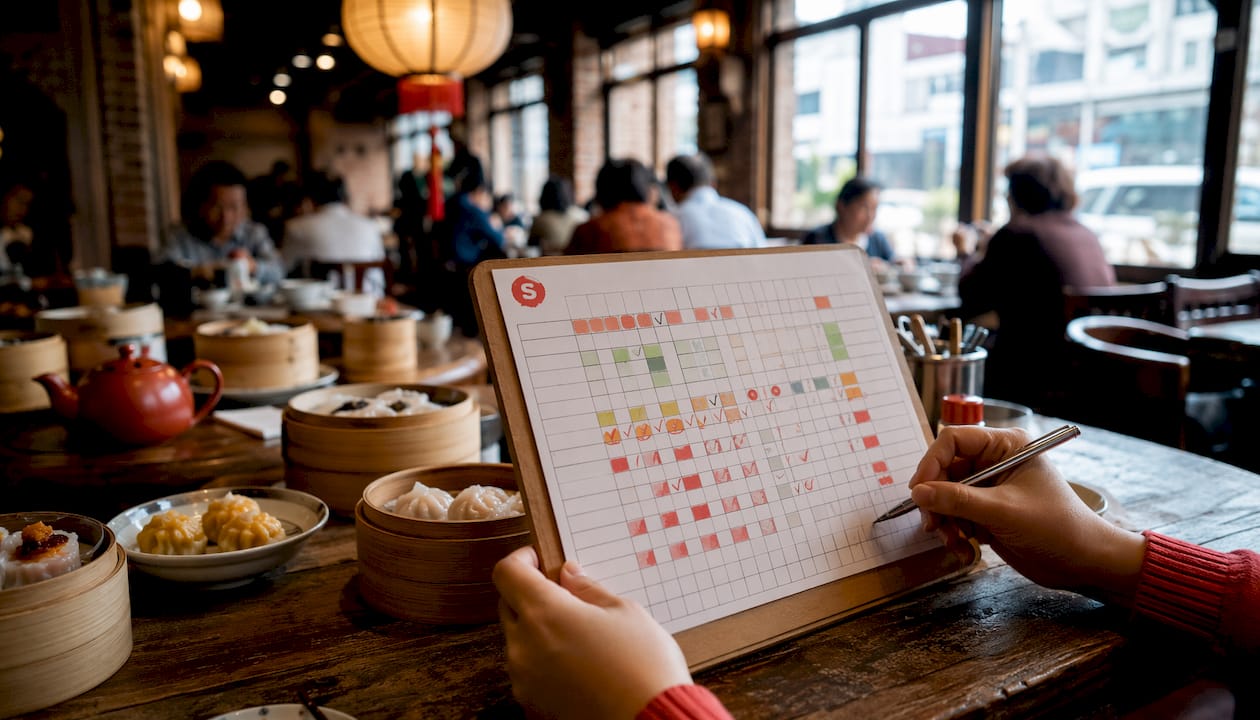
Days 31–60 (momentum): Run your soft opening for local food bloggers, neighborhood influencers, and a few loyal regulars. Invite guests who will post within 24–48 hours. Soft openings generate user-generated content that reaches thousands for a fraction of paid media costs. Before any big paid campaign, get a third-party messaging review to confirm your positioning holds up against other SF dim sum spots. Launch one geo-targeted Google or Meta ad set aimed at a 3-mile radius around your restaurant.
Days 61–90 (scale): Activate a loyalty program. Well-designed loyalty programs can increase visit frequency by up to 20%. Expand your social posting to a consistent schedule using a social media workflow that batches content creation weekly. Review your UTM data, double down on the channels driving actual reservations, and cut what is not converting.
How should you handle reviews and reputation management?
Respond to every Google and Yelp review within 24 hours. For positive reviews, thank the guest by name and mention a specific dish they praised. For negative ones, acknowledge the issue, apologize briefly, and offer to resolve it offline. Never argue publicly.
Response template (positive): “Thank you, [Name]! We’re so glad the [dish] hit the spot. We’d love to see you again soon.”
Response template (negative): “We’re sorry your experience fell short, [Name]. Please reach out to us directly at [email] so we can make it right.”
Set up automated review request messages through your CRM or a tool like Toast or Square after each visit. Consistent review volume signals freshness to Google’s local algorithm.
What paid local promotions work best for SF dim sum restaurants?
Start with Google Local Services Ads or a standard Search campaign targeting keywords like “dim sum San Francisco” and “dim sum brunch SF.” Set a tight geographic radius (2–3 miles) and schedule ads to run during your peak hours, typically weekend mornings when dim sum demand spikes.
On Meta (Facebook and Instagram), run carousel ads featuring your best dish photos with a direct link to your OpenTable or Resy page. Retarget website visitors who did not book. A launch-phase budget of 15–20% of your first-year marketing spend is a reasonable starting point for creating initial momentum.
Pro Tip: Before scaling any paid campaign, run two ad variations with different headlines and measure click-through rate over seven days. The winner becomes your control.
How do you connect with San Francisco neighborhoods and local events?
SF’s dim sum audience is concentrated in the Richmond and Sunset districts, but Chinatown foot traffic and Mission District brunch culture are both real opportunities. Partner with nearby businesses — a tea shop, a bakery, a flower vendor — for cross-promotions around weekend brunch hours.
Sponsor or participate in neighborhood events like the Outer Sunset Farmers Market or local block parties. Offer a limited-time dish tied to the event. Tag the event organizer on Instagram; they often reshare, giving you free reach to their audience.
Seasonal and cultural festival marketing for SF dim sum
Chinese New Year is your single biggest annual marketing moment in San Francisco. Start promoting six weeks out with a special menu, a limited-edition dim sum set, and a reservation push. Coordinate with the SF Chinese New Year Parade calendar so your promotions land when search interest peaks.
Beyond Chinese New Year, Mid-Autumn Festival (mooncake season) and Lunar New Year for Vietnamese and Korean communities in the Bay Area are underused opportunities. A “festival dim sum set” with a shareable visual is exactly the kind of post that travels on TikTok.
How do local food bloggers and media help beyond influencer posts?
Food bloggers with established SF audiences (think Tablehopper, Eater SF, or local Substack writers) carry more credibility than a generic influencer with 50,000 followers in another city. A single Eater SF mention can drive reservation spikes that last weeks.
Reach out with a personal email, not a mass pitch. Offer a no-strings tasting for two, describe what makes your dim sum distinct (handmade daily, specific regional style, unusual fillings), and let them write what they find. Authentic coverage from a trusted local voice converts better than a sponsored post. Local restaurant homepages that emphasize menu visibility and high-resolution photography consistently outperform those that do not in driving direct bookings.
How do you differentiate from other SF dim sum restaurants?
Map your three closest competitors on four dimensions: price point, menu breadth, service style (cart vs. order-sheet vs. online), and social media presence. Where they are weak, you have room.
Most SF dim sum spots underinvest in online ordering and mobile-friendly menus. If you have ChowNow or Square Online set up and they do not, that is a conversion advantage you can promote directly. Check their GBP photos — if the quality is low, yours being polished is a visible differentiator before a guest even walks in. Use a digital marketing checklist to audit your own presence against theirs systematically.
Sorbey puts this checklist into motion for your restaurant
Running this checklist manually across GBP, your website, email, SMS, and social takes weeks of setup. Sorbey cuts that to days. The platform runs an instant Google presence audit, builds your restaurant website with integrated menu pages, and connects online ordering and reservation systems so everything stays in sync.
Where Sorbey stands out for dim sum owners specifically: the built-in CRM lets you segment your soft-opening guests and send a targeted SMS or email offer within 48 hours of their visit, turning one-time tasters into regulars. Automated review requests go out after each visit, keeping your Yelp and Google ratings fresh without manual follow-up. The email marketing templates are pre-built for restaurant welcome flows and seasonal promotions, so you are not starting from scratch.
Before any major paid campaign, Sorbey’s team can review your messaging for competitive fit in the SF market — the kind of third-party check that catches positioning gaps before you spend real money.
See what Sorbey’s platform covers for your restaurant at Sorbey’s services page.
Key Takeaways
A properly executed SF dim sum marketing checklist starts with GBP optimization, visual social content, and a soft opening, then builds to paid ads and loyalty programs across a structured 30/60/90-day timeline.
| Point | Details |
|---|---|
| GBP is your fastest win | An optimized Google Business Profile can increase clicks and direction requests by over 50%. |
| Visual content drives reservations | Food posts for visually appealing dishes like dim sum can increase engagement by roughly 65%. |
| Soft opening beats paid ads early | Hosting local food bloggers generates organic social proof that reaches thousands at a fraction of paid media costs. |
| Loyalty programs compound over time | Well-designed loyalty programs can increase visit frequency by up to 20%, supporting long-term revenue. |
| Sorbey accelerates execution | Sorbey’s all-in-one platform handles GBP audits, menu pages, online ordering, CRM, and automated review requests in one place. |
Recommended
También te puede interesar
Best Restaurant Loyalty Programs 2026: ROI Guide
Discover the best restaurant loyalty programs 2026 that boost repeat visits. Learn how Sorbey’s platform can transform your guest data strategy!
Why Mobile Marketing Matters for Business Growth
Discover why mobile marketing matters for business growth. Learn how optimizing for mobile drives traffic, conversions, and customer retention.
QR Code Menu Benefits Every Restaurant Owner Should Know
Unlock the la restaurant QR code menu benefits: enhance customer experience, save costs, and boost revenue with real-time updates!