
Blog
5 proven benefits of social media for restaurants
Discover 5 proven social media benefits for restaurants, from geo-targeted ads to influencer reach, and learn which strategies drive real foot traffic and loyalty.
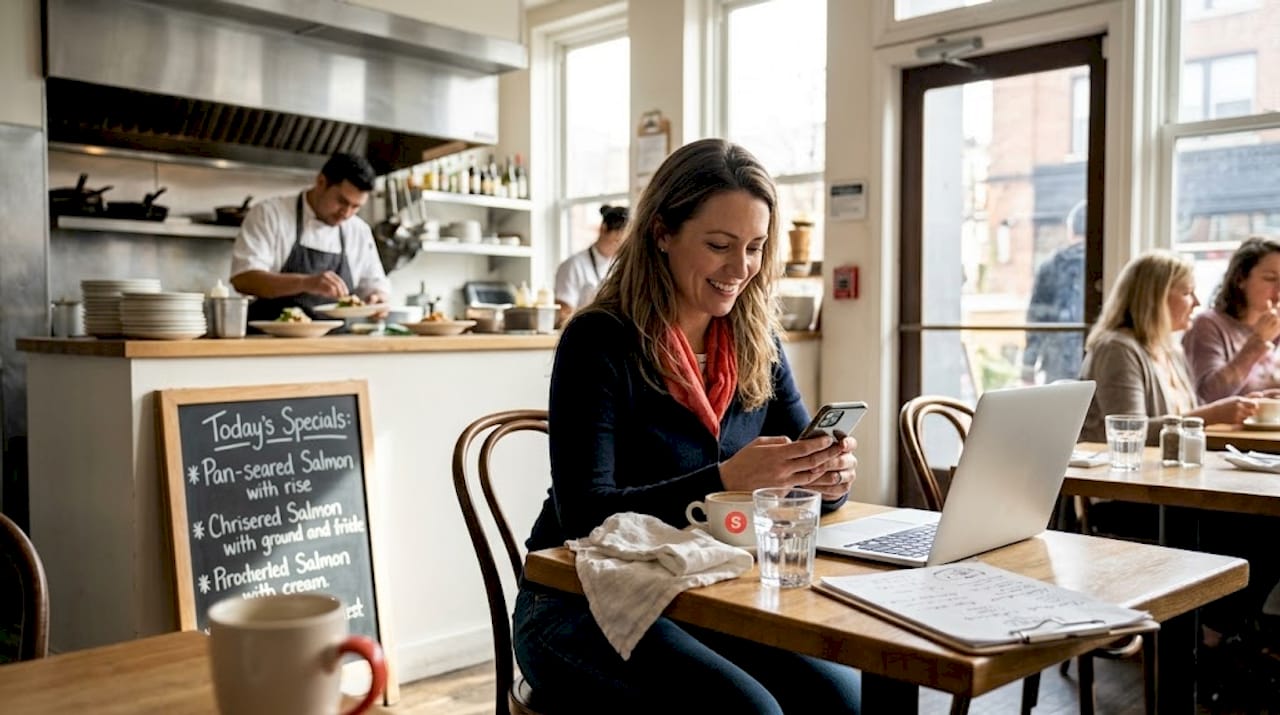
5 proven benefits of social media for restaurants
TL;DR:
- Social media is essential for restaurant growth, building brand awareness and driving foot traffic.
- Authentic engagement through responsive interactions and user-generated content fosters customer loyalty.
- Geo-targeted ads and influencer collaborations significantly increase local patron visits and brand reach.
Running a restaurant in a major U.S. city means competing for attention on every corner, every feed, and every search result. Great food alone no longer fills seats. The restaurants seeing consistent growth in 2026 are the ones treating social media as a core business tool, not an afterthought. This article breaks down the specific benefits social media delivers for restaurants, the tactics that actually move the needle, and how to build a strategy that fits your operation. Whether you run a fast-casual spot in Chicago or a fine dining room in Los Angeles, what you find here will apply directly to your situation.
Table of Contents
- Key ways social media benefits restaurants
- Boosting customer engagement and loyalty
- Driving foot traffic with geo-targeted ads and local content
- Amplifying reach with influencer and user-generated content
- Choosing the best social media strategies for your restaurant
- Why social media success is about people, not just platforms
- Take your restaurant’s social media to the next level
- Frequently asked questions
Key Takeaways
| Point | Details |
|---|---|
| Higher engagement | Social media connects restaurants with new and loyal guests through interactive features and direct communication. |
| Measurable foot traffic | Geo-targeted ads and local content drive more people from social platforms into your physical restaurant. |
| Amplified reputation | Influencer and guest-shared posts quickly grow awareness and build trust for your brand. |
| Strategic focus | Selecting the right mix of tactics for your market and goals achieves lasting social media results. |
Key ways social media benefits restaurants
Social media is not just a place to post pretty photos. For restaurants, it is a full marketing channel that can drive real revenue when used with intention. Before getting into the tactics, it helps to understand the different ways social media creates advantages for your business.
Here are the core benefits that matter most for restaurants:
- Brand awareness through visual storytelling. Platforms like Instagram and TikTok are built for food. A single well-shot video of your signature dish can reach thousands of people who have never heard of you.
- Engagement via promotions, polls, and messages. Interactive content keeps your audience invested. Promotions encourage action. Direct messages let you have real conversations with customers before they ever walk in.
- Foot traffic with geo-targeted posts and ads. You can put your content directly in front of people within a specific ZIP code or neighborhood. This turns online attention into in-person visits.
- Stronger reputation with reviews and user content. When guests tag you in their posts or leave glowing reviews, that content builds trust faster than any ad you could run yourself.
- Word-of-mouth through shareable content. The right post gets shared, saved, and recommended. Influencer collaborations yield 3x reach, and electronic word of mouth significantly predicts customer responsiveness.
If you want a broader view of where social fits in your overall marketing plan, a solid digital marketing checklist can help you see the full picture.
Boosting customer engagement and loyalty
With the benefits outlined, let’s explore how social media deepens engagement and loyalty step by step.
Engagement is not just a vanity metric. It is the clearest signal that your audience cares enough to interact with your brand. Restaurants that consistently see high engagement are building real relationships, and those relationships translate into repeat visits and referrals.
Here is a practical approach to building engagement over time:
- Respond quickly and personally to comments. A guest tags you in a post about their anniversary dinner. Responding with their name and a genuine thank-you takes 30 seconds and leaves a lasting impression. Speed matters. Customers notice when brands feel human.
- Run polls, Q&As, and contests. Ask your followers to vote on the next seasonal menu item. Host a trivia night announcement as a story poll. These interactions give customers a stake in your brand. They feel like insiders, not just diners.
- Spotlight loyal guests. Feature a regular customer in your Stories. Celebrate the table that has been coming every Friday for three years. This creates community. Other followers see themselves in those stories and want to be part of it.
- Post consistently to build anticipation. A predictable posting schedule trains your audience to look for your content. Announcing a weekly special every Monday morning becomes something followers actually wait for.
- Use stories and live streams for real-time connection. Going live during a busy Friday dinner rush, or showing behind-the-scenes prep work, creates urgency and direct access that static posts cannot match.
Pro Tip: Short-form video Stories that disappear in 24 hours create urgency. Use them to announce limited daily specials or flash promotions to drive same-day visits.
“Electronic word of mouth significantly influences customer responsiveness (β=0.453), meaning what people say about you online directly shapes whether new customers walk through your door.”
Exploring different restaurant marketing types and layering in solid branding strategies will sharpen the effect of everything above.
Driving foot traffic with geo-targeted ads and local content
Building on engagement, geo-targeted strategies take restaurant promotion into the real world for tangible results.
Posting great content is one thing. Getting that content in front of people who are physically close enough to visit your restaurant is another. Geo-targeting solves this problem directly. Both Facebook and Instagram allow you to target ads by ZIP code, city, or even a radius around your exact address. That means your Friday night promotion appears in the feed of someone sitting two blocks away, not someone in a different state.
| Strategy | Reach | Conversion potential | Cost |
|---|---|---|---|
| Geo-targeted paid ads | Targeted local audience | High (direct action prompts) | Medium to high |
| Organic local posts | Followers and shares | Medium (depends on algorithm) | Low |
| Neighborhood event posts | Community members | Medium to high (relevant context) | Low |
Beyond paid ads, you can use organic content to anchor your restaurant in its neighborhood. Post about a local street fair happening nearby. Celebrate a neighborhood sports team’s win. Reference real local landmarks. This kind of content feels native and relevant, which increases shares among exactly the people you want to reach.
Geo-targeted ads boost restaurant foot traffic in measurable ways, making them one of the highest-return tactics available to local operators. Here is how to get started:
- Set a defined geographic radius around your location when building any paid ad campaign.
- Create posts that reference your specific city or neighborhood by name.
- Schedule ads to run during hours when nearby customers are most likely to act, such as late afternoon for dinner decisions.
- Pair geo ads with a clear, time-sensitive offer to push hesitant customers over the line.
For a more detailed breakdown of how local paid and organic strategies work together, the guide on local advertising strategies covers the key angles.
Amplifying reach with influencer and user-generated content
While geo-targeting reaches nearby customers, collaborations and guest participation can make your restaurant go viral.
You already know your food looks great. The question is who is showing it to the world. When you control every post yourself, your reach is limited to your existing followers. When customers and influencers share your restaurant, you tap into entirely new audiences who trust the source because it is someone they already follow.
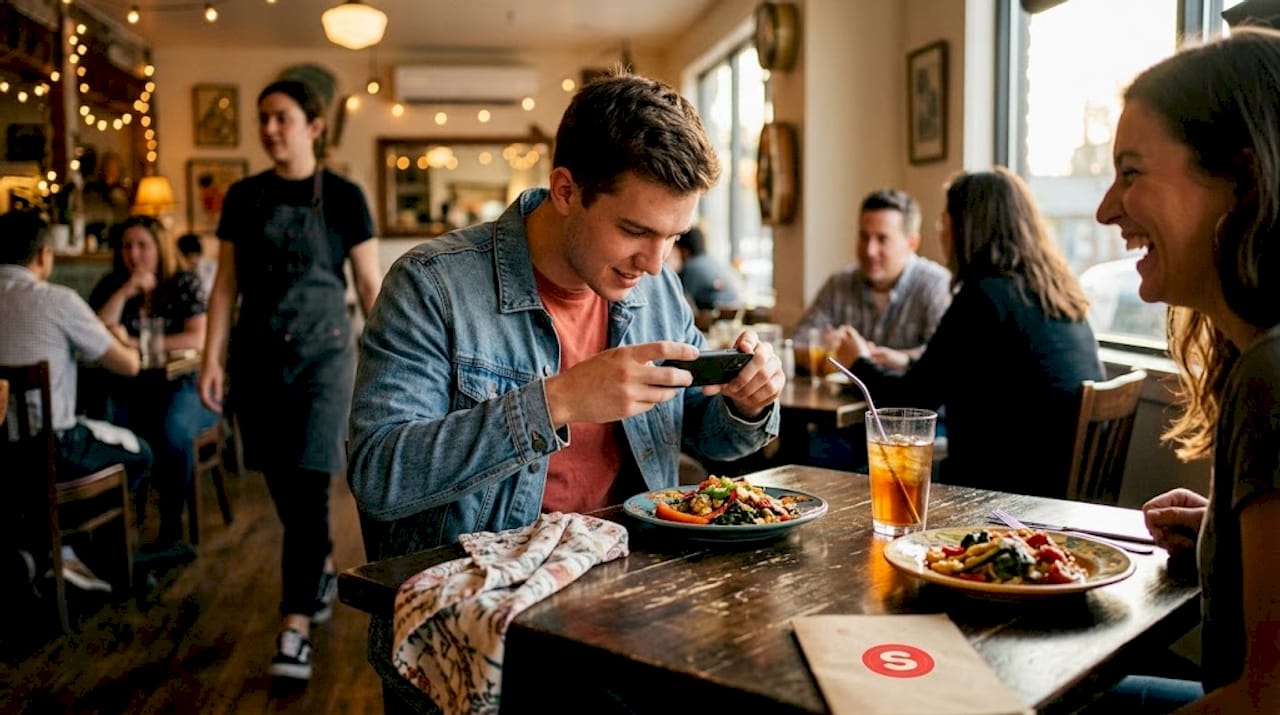
Influencer collaborations yield 3x reach compared to brand-only content. That is not a small difference. It means three times as many people seeing your restaurant, with built-in credibility attached.
User-generated content (content created by your own guests) works similarly. A customer’s authentic photo of their meal is more persuasive than a polished ad because it feels real. People know when they are being sold to. A friend’s recommendation does not trigger that same skepticism.
| Content type | Avg. reach | Trust level | Cost |
|---|---|---|---|
| Brand-created posts | Followers only | Medium | Varies |
| Influencer posts | 3x brand reach | High | Paid or trade |
| User-generated content | Follower networks | Very high | Minimal |
Here is how to build a steady flow of both:
- Partner with local food influencers for a tasting event and give them full creative freedom.
- Create a branded hashtag and feature the best guest photos on your main profile every week.
- Make your space and your plating photo-worthy. The easier you make it to share, the more people will.
- Respond to every guest tag. That response encourages others to tag you too.
Pro Tip: A simple hashtag campaign like #[YourRestaurantName]Eats costs nothing to launch and gives you an ongoing stream of authentic guest content to reshare.
For building out these content approaches, the influencer guide and video content tips are worth your time.
Choosing the best social media strategies for your restaurant
Now that all key tactics are covered, the next step is choosing the right mix for your restaurant’s unique situation.
Not every tactic applies equally to every type of restaurant. A fast-casual taco spot and a white-tablecloth steakhouse have different audiences, different budgets, and different goals. The best social media strategy is the one that aligns with your specific operation.
Here is a step-by-step framework for building your strategy:
- Define specific goals. Are you trying to build brand awareness in a new neighborhood? Convert social followers into reservation bookings? Increase repeat visits from existing customers? Your goal determines your tactics and your metrics.
- Analyze your customer demographics. A restaurant serving a 25 to 35 year-old crowd should prioritize Instagram and TikTok. A neighborhood bar with a 45 plus crowd may see better results on Facebook. Know where your people spend their time.
- Focus on one or two platforms. Trying to maintain an active, quality presence on five platforms at once spreads you too thin. Pick the channels that matter most and do them well.
- Review your metrics monthly. Look at engagement rate, reach, profile visits, and any direct conversions you can track. What is working? What is not? Adjust your content mix based on real data, not gut feeling.
- Match your tactic to your model. Delivery-focused restaurants should emphasize shareable content and direct ordering links. Fine dining benefits more from storytelling and influencer partnerships. Fast-casual thrives on promotions, contests, and geo-targeted offers.
Combining influencer collaborations, eWOM, and geo-targeting delivers stronger results than any single approach alone. Explore proven restaurant marketing strategies and consider how online menu strategies fit into your digital presence.
Why social media success is about people, not just platforms
With all strategies on the table, here is what many experts miss about lasting social media success.
Platform algorithms change constantly. What worked on Instagram last year may not work this quarter. Restaurants that chase trends and algorithm hacks end up exhausted, posting more and more for diminishing returns. The ones that grow steadily do something different. They treat social media as a relationship tool, not a broadcasting channel.
The restaurants we see outperform their competitors consistently are the ones that spotlight their actual staff, share real behind-the-scenes moments, and respond to comments like a human being, not a brand account. They are not trying to go viral. They are trying to make their regulars feel seen.
Authenticity is not a buzzword here. It is a business strategy. Customers in 2026 can detect performative content immediately. What holds their attention, and earns their loyalty, is content that feels genuinely connected to real people and a real place. Sustainable growth comes from loyalty, not just reach. You build loyalty through honesty, consistency, and community. The marketing insights blog explores this further if you want to go deeper.
Take your restaurant’s social media to the next level
If you want hands-on help building or refining your restaurant’s social media strategy, proven tools and expertise are just a click away.
Sorbey is built specifically for local restaurants that want an all-in-one marketing system without the complexity of piecing together a dozen different tools. Whether you run one location or several, the platform helps you attract more guests, build loyalty, and make every marketing dollar count.
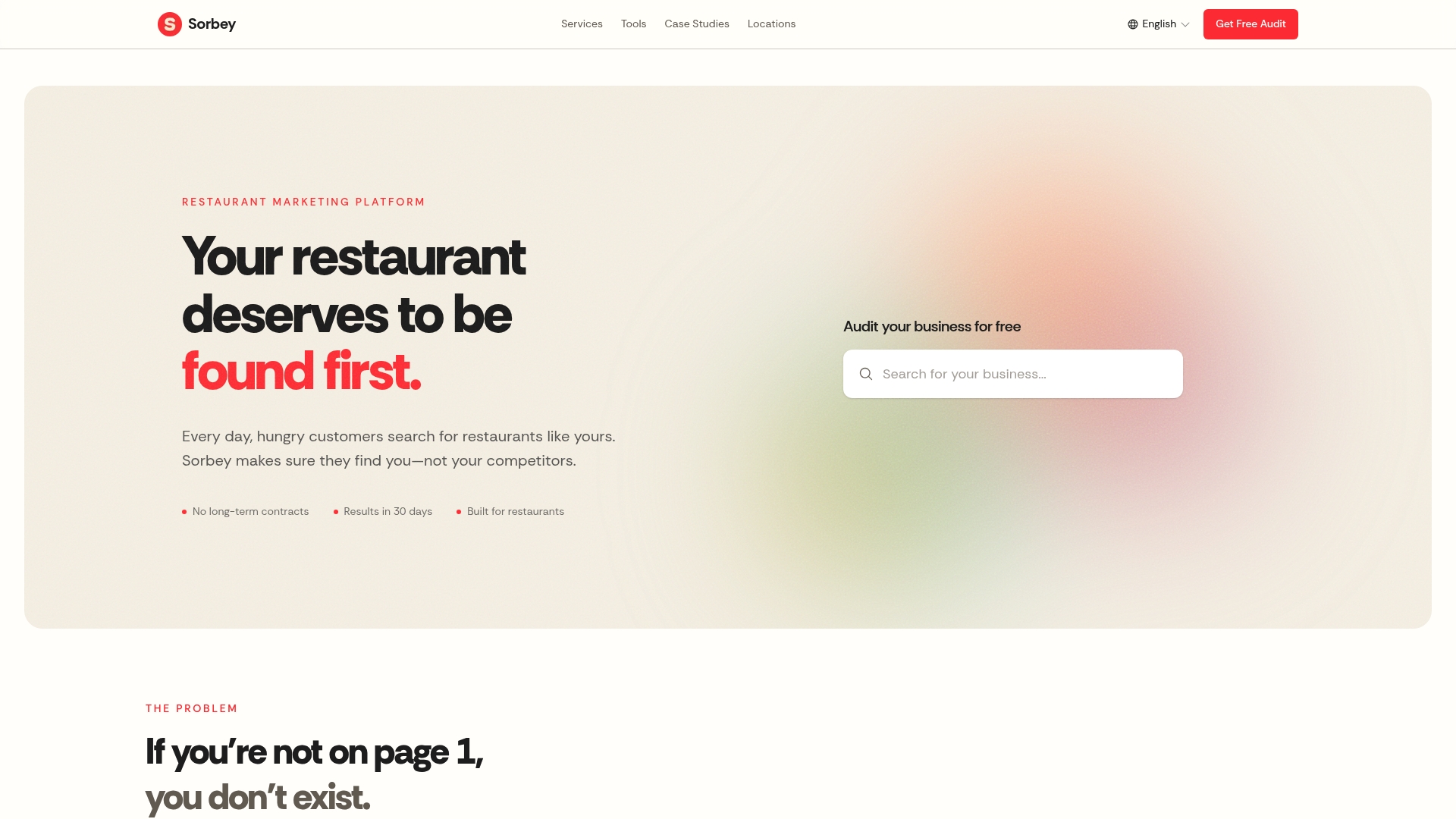
Start by using the free marketing ROI calculator to see exactly what your current efforts are returning. Then use the marketing budget calculator to plan your next campaign with confidence. When you are ready for the full picture, explore restaurant marketing services to see what a focused strategy looks like in practice.
Frequently asked questions
How does social media bring in more restaurant customers?
Social media attracts new customers by increasing visibility and putting your content in front of nearby audiences. Geo-targeted ads boost foot traffic and turn online attention into actual visits.
Are influencer partnerships practical for small restaurants?
Absolutely. Local micro-influencers are often affordable and highly effective. Influencer collaborations yield 3x reach, making them one of the best options for restaurants with limited marketing budgets.
What type of content performs best for engaging guests?
Behind-the-scenes videos, staff spotlights, and user-generated content consistently drive the highest engagement and build trust faster than polished brand posts.
Should restaurants focus on all platforms or just one?
Focus on the one or two platforms where your target customers are most active. Spreading your efforts across every platform dilutes quality and produces weaker results overall.
Recommended
También te puede interesar
Best Restaurant Loyalty Programs 2026: ROI Guide
Discover the best restaurant loyalty programs 2026 that boost repeat visits. Learn how Sorbey’s platform can transform your guest data strategy!
Why Mobile Marketing Matters for Business Growth
Discover why mobile marketing matters for business growth. Learn how optimizing for mobile drives traffic, conversions, and customer retention.
SF Dim Sum Restaurant Marketing Checklist for 2026
Transform your SF dim sum with our 2026 marketing checklist. Optimize your profile, showcase dishes, and attract customers fast!