
Blog
Review Management Checklist: Boost Restaurant Reputation
Master restaurant review management with this actionable checklist. Increase positive reviews, respond faster, and boost your reputation across Google, Yelp, and more.

Review Management Checklist: Boost Restaurant Reputation
In major U.S. cities like New York, Miami, Los Angeles, and San Francisco, your restaurant’s online reputation can make or break your business overnight. A single negative review can cost you dozens of potential diners, while a steady stream of positive feedback drives reservations and foot traffic. Yet most restaurant owners struggle to manage reviews systematically across multiple platforms, respond quickly enough to matter, or turn feedback into actionable improvements. This checklist gives you a proven framework to master review management, increase your rating, and secure more customers through strategic, consistent online reputation work.
Table of Contents
- Define your review management goals
- Audit all your review site profiles
- Generate more positive reviews proactively
- Respond to reviews wisely and quickly
- Monitor, measure, and refine your system
- Essential restaurant review management checklist
- Try tools that power up your review management
- Frequently asked questions
Key Takeaways
| Point | Details |
|---|---|
| Set clear review goals | Success starts with knowing what metrics matter for your restaurant. |
| Audit and maintain profiles | Regular audits across platforms ensure diners always find you with correct info. |
| Ask for more reviews | Proactively requesting feedback directly leads to more positive online buzz. |
| Respond with consistency | Timely, brand-appropriate replies support reputation and improve rankings. |
| Refine with data | Track your progress and adjust tactics for maximum visibility and impact. |
Define your review management goals
Before diving into tactics, clarify what success looks like for your restaurant. Start by identifying key performance indicators: review volume, average star rating, response time, and sentiment trends. A Miami beachfront bistro might prioritize tourist-facing platforms like TripAdvisor, while a San Francisco neighborhood spot focuses on Google and Yelp for local regulars.
Set benchmarks against competitors in your area. If similar restaurants average 4.3 stars with 200 reviews, aim to match or exceed those numbers within six months. Track how quickly you respond to feedback, with a goal of under 48 hours for all reviews.
Pro Tip: Using reviews for operational insights like adjusting staff schedules or menu items can drive measurable improvements in service quality and customer satisfaction.
Your goals should connect directly to business outcomes. More positive reviews improve local search rankings, which means more diners discover you organically. Faster response times show potential customers you care about their experience. Higher ratings translate to increased reservation conversion rates.
Consider these essential objectives:
- Increase monthly review volume by 25% within 90 days
- Maintain a 4.5+ star average across all platforms
- Respond to every review within 24 hours
- Convert negative feedback into service improvements monthly
- Monitor competitor ratings and adjust strategy accordingly
Align your review management strategy with broader marketing efforts. If you’re investing in SEO trends for urban restaurants, your review profile directly impacts local search visibility. Strong ratings and fresh reviews signal relevance to search algorithms, boosting your position when hungry diners search for restaurants nearby.
Audit all your review site profiles
Your first action step is a complete sweep of every platform where customers can leave feedback. Claim and verify your business on Google, Yelp, OpenTable, TripAdvisor, and city-specific directories. Each unclaimed profile is a missed opportunity and a potential source of outdated information that confuses potential diners.
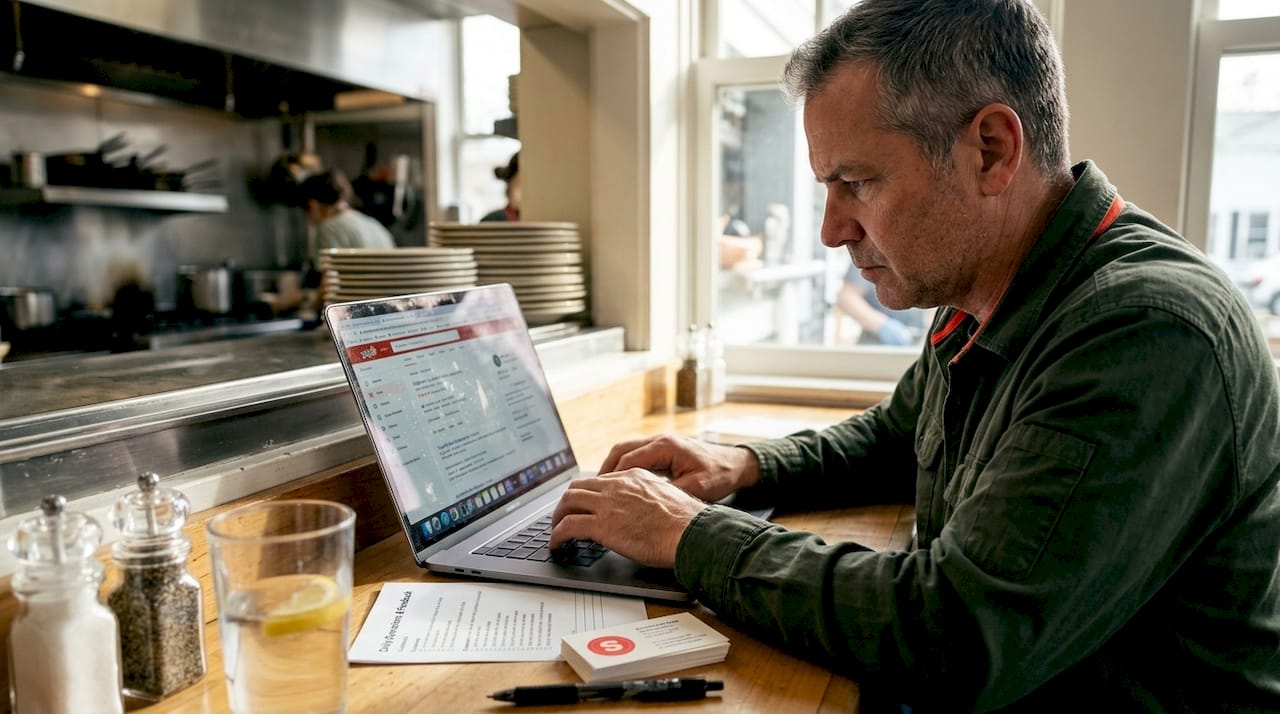
Check that contact details, operating hours, menu links, and photos match across all platforms. Inconsistent information damages trust and hurts local SEO. A customer who arrives at 9 PM because your Yelp page says you’re open until 10 PM, only to find you closed, will leave a one-star review.
Pro Tip: Accurate and consistent profiles across all platforms prevent confusion and lost business, especially during peak dining hours.
Follow this systematic audit process:
- List every review platform relevant to your market
- Claim ownership and verify your business on each site
- Update all contact information, hours, and service details
- Upload high-quality photos of food, interior, and staff
- Remove or merge duplicate listings that split your reviews
- Assign one team member to maintain profile accuracy monthly
Duplicate profiles are particularly problematic. They fragment your review count and confuse customers about which location or business they’re evaluating. Search for variations of your restaurant name and address, then contact platforms to merge duplicates into one authoritative listing.
For comprehensive guidance on optimizing Google My Business, focus on the platform that drives the most local discovery. Google reviews appear directly in search results and Maps, making them critical for attracting nearby diners. Complete every field in your profile, respond to questions, and post regular updates about specials or events.
Explore restaurant visibility tools that automate profile monitoring and alert you to inconsistencies across platforms, saving hours of manual checking each month.
Generate more positive reviews proactively
Waiting for reviews to arrive organically leaves your reputation to chance. Successful restaurants systematically request feedback at moments when satisfaction is highest. The best time to ask is immediately after a great dining experience, when positive emotions are fresh and guests feel genuinely enthusiastic.
Train your staff with simple scripts that feel natural, not pushy. A server might say, “We’re so glad you enjoyed your meal. If you have a moment later, we’d love to hear about your experience on Google.” Provide a QR code on receipts that links directly to your review page, removing friction from the process.
Leverage technology to automate requests without losing the personal touch. Reservation systems and online ordering platforms can send follow-up emails 24 hours after a visit, thanking guests and inviting feedback. Restaurants using review management software see an average 33% increase in review volume compared to manual methods.
| Request Method | Effectiveness | Best Timing |
|---|---|---|
| In-person ask by server | High | End of meal |
| QR code on receipt | Medium | Payment |
| Email follow-up | High | 24 hours post-visit |
| SMS text message | Medium | 12 hours post-visit |
| Table tent cards | Low | During meal |
Make leaving a review as easy as possible. Direct links to your Google or Yelp page eliminate the need for customers to search for your business. Mobile-optimized review pages ensure the process works smoothly on smartphones, where most people will respond.
Integrate review generation into your broader digital marketing actions to create a cohesive strategy that builds momentum across all channels. Consider tools for review generation that track which methods produce the best results for your specific customer base.
Focus your efforts on satisfied customers. Don’t ask every single diner for a review. Train staff to recognize genuinely positive experiences and make requests selectively, which improves the ratio of positive to negative feedback you receive.
Respond to reviews wisely and quickly
Speed matters enormously in review responses. Potential customers reading reviews see how quickly you engage, which signals whether you truly care about guest experience. Set a firm target of responding within 24 to 48 hours maximum, even on weekends and holidays.
Respond to every review, not just negative ones. Thanking someone for a five-star review shows appreciation and encourages others to share their experiences. Neutral three-star reviews offer opportunities to address concerns before they become bigger problems.
Maintain a consistent brand voice across all responses. Whether you’re thanking a regular or addressing a complaint, your tone should reflect your restaurant’s personality. A casual taco spot can be playful and warm, while a fine dining establishment maintains elegance and professionalism. Responding with a consistent voice across platforms prevents brand dilution and builds recognition.
For negative reviews, follow this proven recovery template:
- Acknowledge the specific issue mentioned
- Apologize sincerely without making excuses
- Explain what you’re doing to prevent recurrence
- Invite the guest back to experience improvements
- Offer to discuss details privately via phone or email
“Thank you for sharing your feedback about the wait time during your visit last Saturday. We apologize for the delay, which resulted from an unexpected staff shortage. We’ve adjusted our scheduling to ensure adequate coverage during peak hours. We’d love the opportunity to provide you with the experience we’re known for. Please contact us directly at [phone] so we can make it right.”
Never argue with reviewers or get defensive, even when feedback feels unfair. Public disputes make you look unprofessional and drive away potential customers who witness the exchange. Take heated conversations offline quickly.
For guidance on improving local visibility through strategic review engagement, focus on responses that demonstrate your commitment to excellence and continuous improvement.
Monitor, measure, and refine your system
Review management isn’t a one-time project. It requires ongoing monitoring, measurement, and adjustment based on what the data reveals. Schedule weekly or monthly audits depending on your review volume, checking key metrics across all platforms.
Track these essential indicators:
- Average star rating by platform and overall
- Total review count and monthly growth rate
- Response rate and average response time
- Sentiment trends in review content
- Common themes in positive and negative feedback
| Tracking Method | Setup Time | Monthly Cost | Best For |
|---|---|---|---|
| Manual spreadsheet | 2 hours | $0 | Single location, low volume |
| Basic review alerts | 30 minutes | $0 | Multi-platform monitoring |
| Review management software | 1 hour | $50-200 | Multiple locations, high volume |
Review management software delivers ROI by speeding up responses and making tracking easier, especially for restaurant groups managing multiple locations across different cities.
Schedule monthly improvement meetings with your team to review feedback patterns. If multiple reviews mention slow service during lunch, adjust staffing. If guests consistently praise a particular dish, feature it more prominently on your menu and marketing materials.
Set up automated alerts so you never miss a new review. Most platforms offer email or mobile notifications when feedback arrives, allowing you to respond quickly even when you’re not actively checking each site.
Compare your performance against local competitors quarterly. If their ratings are climbing while yours plateau, investigate what they’re doing differently. Mystery shop their locations, analyze their review responses, and adapt successful tactics to your operation.
Explore review management solutions that consolidate monitoring, response, and reporting into a single dashboard, saving time and ensuring nothing falls through the cracks.
Essential restaurant review management checklist
Use this comprehensive checklist to implement and maintain your review management system. Print it for team meetings, onboarding new staff, or quarterly strategy sessions.
- Claim and verify your business on Google, Yelp, TripAdvisor, OpenTable, and local directories
- Ensure all contact information, hours, menus, and photos are accurate and consistent across platforms
- Remove or merge duplicate listings that fragment your review count
- Set clear goals for review volume, average rating, and response time
- Train all customer-facing staff on when and how to request reviews
- Create QR codes and direct links to your review pages for easy access
- Implement automated email or SMS follow-ups after dining experiences
- Establish a response protocol with templates for positive, neutral, and negative reviews
- Assign responsibility for daily review monitoring and responses
- Set up alerts for new reviews across all platforms
- Track key metrics weekly or monthly in a spreadsheet or software dashboard
- Hold monthly team meetings to discuss feedback trends and implement improvements
- Compare your performance against competitors quarterly
- Update your review request strategy based on what generates the best results
- Celebrate wins with your team when ratings improve or positive reviews mention specific staff members
Comprehensive, repeatable review management processes set winning restaurants apart in major U.S. cities where competition is fierce and diners have endless options.
Regularly review and update this checklist as your local market evolves. New review platforms emerge, customer preferences shift, and competitive dynamics change. Stay flexible and willing to adjust your approach based on results. For additional operational guidance, explore packaging checklist tips that complement your review management efforts.
Keep your team engaged by sharing positive reviews during shift meetings and recognizing staff members mentioned by name. When employees see how their work translates to public praise, they become more invested in delivering exceptional experiences. For ongoing support, update your Google listing regularly to maintain visibility and accuracy.
Try tools that power up your review management
Managing reviews manually across multiple platforms consumes valuable time you could spend improving your restaurant. Modern tools automate monitoring, streamline responses, and provide analytics that reveal exactly where to focus your efforts for maximum impact.
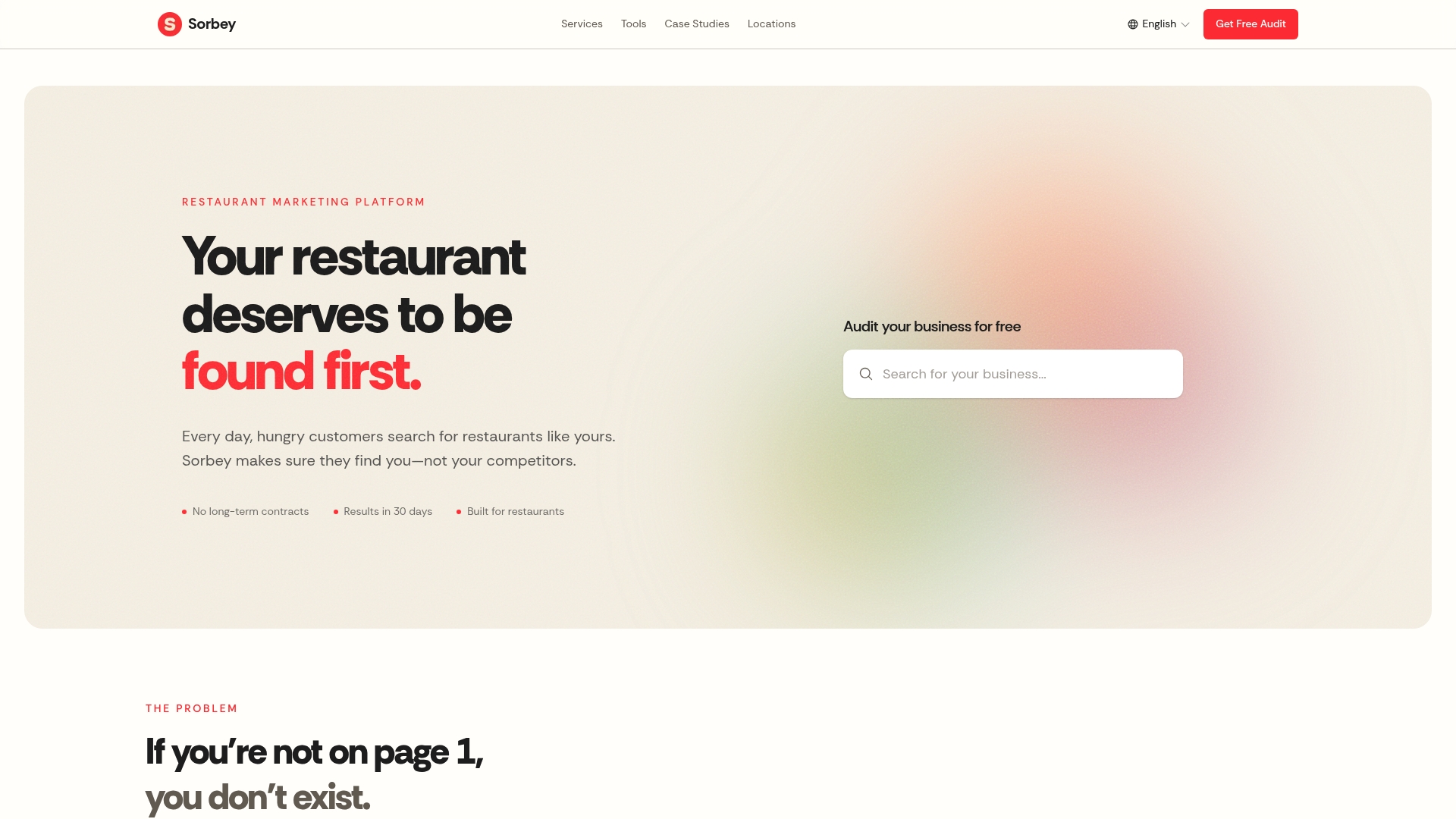
Sorbey’s restaurant marketing services integrate review management with broader digital marketing strategies, helping you build a cohesive online presence that attracts more diners. Our platform consolidates review monitoring, response templates, and performance tracking into one dashboard, eliminating the need to log into multiple sites daily.
Start with free restaurant tools that calculate your review performance, identify gaps in your online presence, and benchmark your reputation against competitors. These resources provide immediate insights without requiring software commitments, making them perfect for testing whether systematic review management delivers results for your specific situation.
Whether you run a single location or manage multiple restaurants across different cities, the right tools transform review management from a time-consuming chore into a strategic advantage that drives measurable business growth.
Frequently asked questions
What platforms matter most for restaurant reviews in big U.S. cities?
Focus on Google, Yelp, TripAdvisor, and the main reservation apps for your city. Claim and verify listings on all major review platforms to ensure customers find accurate information.
How can I get more positive restaurant reviews quickly?
Ask guests right after their meal, automate requests with technology, and train staff to follow up. Automated requests lead to 33% more review volume compared to manual methods alone.
What is the ideal review response time for restaurants?
Aim to respond within 24 to 48 hours to all reviews. Respond to all reviews quickly with a consistent voice to show potential customers you value feedback.
Can review management software really make a difference?
Yes, software boosts review volume and improves tracking, delivering measurable ROI for restaurants. Review management software delivers real ROI and response speed that manual processes cannot match.
How often should restaurants update their online listings and processes?
Review and update business listings monthly and check your systems quarterly for accuracy. Consistent audits keep review profiles accurate and effective as your business evolves.
Recommended
También te puede interesar

Best Restaurant Loyalty Programs 2026: ROI Guide
Discover the best restaurant loyalty programs 2026 that boost repeat visits. Learn how Sorbey’s platform can transform your guest data strategy!

Why Mobile Marketing Matters for Business Growth
Discover why mobile marketing matters for business growth. Learn how optimizing for mobile drives traffic, conversions, and customer retention.

SF Dim Sum Restaurant Marketing Checklist for 2026
Transform your SF dim sum with our 2026 marketing checklist. Optimize your profile, showcase dishes, and attract customers fast!