
Blog
The Restaurant Promotions Process: A Practical Guide
Unlock the secrets of the restaurant promotions process with our practical guide. Boost revenue, not just traffic, with effective strategies!
The Restaurant Promotions Process: A Practical Guide
TL;DR:
- Most successful restaurant promotions require deliberate planning, baseline data collection, and precise measurement.
- Effective promotions focus on perceived value, staff training, and targeted marketing rather than simple discounts.
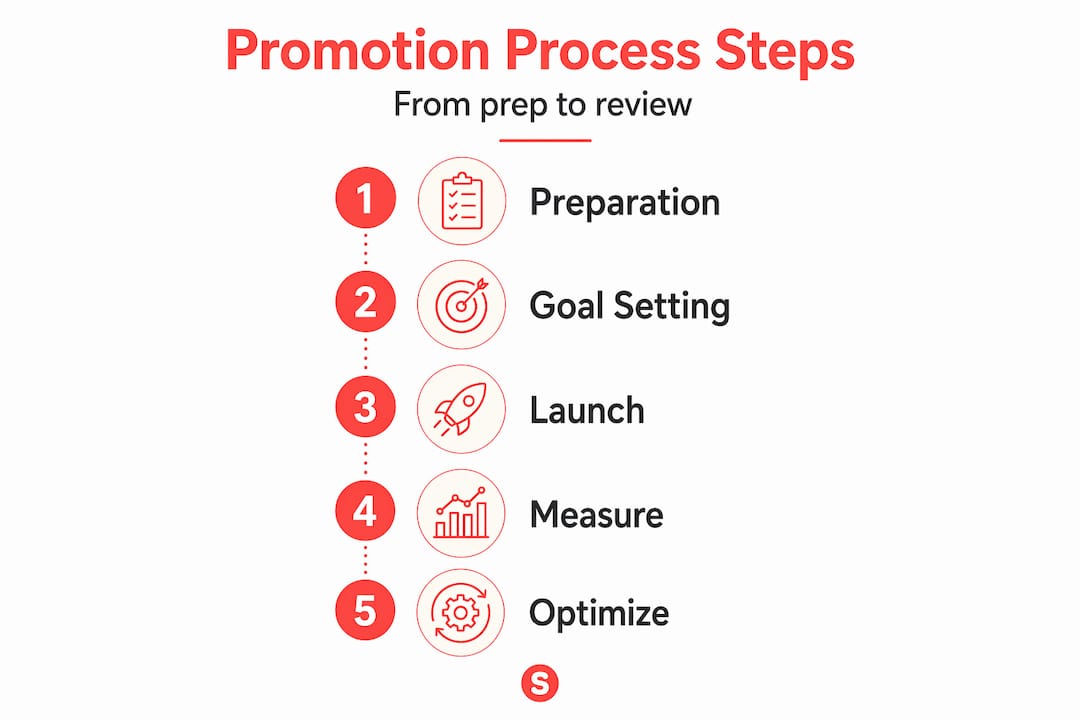
Most restaurant promotions fail quietly. You run a discount, see a spike in covers for a week, and assume it worked. Then the next month looks exactly like the month before. The restaurant promotions process that actually moves the needle is not about throwing offers at customers and hoping something sticks. It is a deliberate cycle: prepare, design, execute, and measure. This guide walks you through each phase with the specificity you need to run promotions that grow revenue, not just traffic.
Table of Contents
- Key takeaways
- The restaurant promotions process: getting prepared
- Designing and launching your restaurant promotion
- Common pitfalls during promotion execution
- Measuring and optimizing after the promotion
- My honest take on restaurant promotions
- How Sorbey helps you run smarter restaurant promotions
- FAQ
Key takeaways
| Point | Details |
|---|---|
| Preparation drives results | Collect 2 to 4 weeks of baseline sales data before launching any promotion. |
| Discounts cost more than they appear | A 20% discount can reduce your margin by over 30%, requiring 25% more sales to break even. |
| Staff training is non-negotiable | POS errors and weak upselling during promotions erase profit faster than poor offer design. |
| Track metrics from day one | Define what success looks like before launch, not after, so you can measure real lift. |
| Add-ons beat price cuts | Free sides or drinks deliver perceived value at a lower cost than straight discounts. |
The restaurant promotions process: getting prepared
Before you write a single offer, you need to know where you stand. Skipping this step is why so many promotional ideas for restaurants look great on paper and underperform in practice.
Start with your sales data. Pull the last 60 to 90 days of POS reports and identify your slowest days, your best-selling items, and your average check size. Define clear goals and collect baseline data 2 to 4 weeks before any promotion launches. Without that baseline, you cannot tell whether your promotion actually drove growth or whether Tuesday just happened to be busy.
Next, set specific goals. Vague goals produce vague results. Instead of “get more customers,” aim for “increase weekday lunch covers by 20% over six weeks” or “raise average check size from $18 to $22 by promoting appetizer bundles.” Choosing promotion goals directly guides both your offer design and your post-promotion evaluation.
Understanding your margin before you discount
This is where most operators get burned. A 20% discount reduces margins by over 30%, not just 20%, because your fixed costs stay the same regardless of what you charge. That means you need roughly 25% more sales volume just to break even. Run those numbers against your current capacity before committing to any discount strategy.
Here is a quick reference for evaluating your promotion costs before launch:
| Promotion type | Margin impact | Volume needed to break even |
|---|---|---|
| 10% discount | Moderate | ~12% sales increase |
| 20% discount | High | ~25% sales increase |
| Free add-on (side/drink) | Low to moderate | ~5-10% sales increase |
| Loyalty reward (points) | Low | Minimal volume change |
| Bundle/meal deal | Variable | Depends on item margins |
Pro Tip: Add-ons cost less but improve customer perception more effectively than price cuts. Before defaulting to a discount, ask whether a free dessert or complimentary drink achieves the same emotional win at a fraction of the margin hit.
The preparation phase also includes staff training and legal basics. Your team needs to know how to apply POS modifiers, handle customer questions about the offer, and upsell without feeling scripted. If you plan to use gift cards as part of your promotion, note that gift card funds remain valid for a minimum of five years under the federal CARD Act, with tax collected only at redemption. And if you are rewarding staff with gift cards, the IRS treats gift cards as cash equivalents, meaning they are fully taxable income that must appear on a W-2.
Key areas your staff prep checklist should cover before any promotion goes live:
- How to apply the discount or add-on in the POS without manual overrides
- The promotion’s start and end dates, and any restrictions like minimum spend
- Talking points for describing the offer enthusiastically without sounding like they are reading a script
- What to do when a customer disputes the offer or a POS error occurs
- How to upsell complementary items within the context of the promotion
Designing and launching your restaurant promotion
With your data collected, goals set, and team briefed, you are ready to build the actual offer. How you structure the promotion determines whether it attracts the right customers or just discount hunters.
Here is the step-by-step approach that works across promotion types, from meal deal promotions to event-based offers:
-
Choose a promotion type that fits your specific goal. Discounts work for trial and traffic. Loyalty rewards work for repeat visits. Limited Time Offers (LTOs) create urgency and are ideal for testing new menu items. Bundles increase average check size. Gift cards generate upfront cash flow. Match the format to the outcome you want.
-
Build your offer around perceived value, not just price. Customers respond to what feels generous. A “buy one entrée, get a free dessert” offer can feel more exciting than a “10% off your bill” even if the financial difference is small. Frame your promotion in terms of what the customer gains, not what they save.
-
Create a communication plan that covers both digital and in-restaurant channels. Post the promotion on your Google Business Profile, email list, and social media at least one week before launch. Update your website. Train staff to mention it verbally to every table. Put signage at your host stand and on tables. A promotion nobody knows about is money left behind. For a thorough digital approach, review this restaurant promotion online guide to make sure your channels are covered.
-
Configure your POS before the promotion starts, not during. Digital checklists and real-time POS updates significantly reduce human error when applying promotions at the counter. Set up the modifier, test it on a dummy check, and run your team through it at least once before opening.
-
Time the promotion strategically. Happy hour windows and themed promotions fill slow periods while protecting revenue during your peak times. Avoid discounting on Friday and Saturday nights unless your goal is a specific strategic reason like testing a new menu item with high foot traffic.
-
Set a clear end date and communicate it. Promotions that run indefinitely lose urgency and become customer expectations rather than special offers. Two to four weeks is a standard window. Mark the end date in your POS and your marketing materials.
Pro Tip: For LTOs, run what operators call a two-shift sprint training: have every team member taste the featured item and practice the POS modifier during two consecutive shift briefings before the launch day. Staff who have tasted the food sell it with genuine enthusiasm.
Common pitfalls during promotion execution
Running the promotion is where things break down most often. The offer might be well-designed, but poor execution quietly undoes everything.
Here are the most common mistakes and what actually causes them:
-
POS errors during service. Discounts applied incorrectly, wrong items getting comped, or modifiers not working during a rush cause real revenue loss and frustrate customers. Poor POS execution and lack of training are consistently the leading cause of promotion-related losses. The fix is pre-launch testing, not hope.
-
No tracking from the start. If you did not define your metrics before launch, you cannot measure success after. Promotions without tracking metrics lead to decisions based on assumptions. You end up running the same underperforming promotion again because you cannot prove it did not work.
-
Over-discounting to the wrong audience. 70% of discount customers do not return at full price. Heavy discounts attract deal-seekers, not loyal regulars. If your promotion is built entirely on price reduction, you are likely renting customers instead of building a base.
-
Ignoring staff buy-in. A promotion your team does not believe in shows. Customers can tell when a server mentions an offer reluctantly or cannot answer a basic question about it. Staff enthusiasm is a direct multiplier on promotion performance.
“The best promotion in the world fails at the table if your staff can’t explain it with a smile. Train the people, not just the POS.”
Legal missteps are also worth a flag here. Gift cards given to employees as rewards are taxable as payroll income and need to be tracked accordingly in your promotion budget. Missing this creates accounting headaches and potential IRS issues.
Measuring and optimizing after the promotion
The post-promotion phase is where most restaurant owners stop paying attention. That is a mistake, because this is where you actually learn what to do next.
| Metric | What it tells you | How to collect it |
|---|---|---|
| New customer count | Whether the promotion attracted first-time visitors | Guest sign-ups, loyalty enrollment |
| Repeat visit rate | Whether promoted customers came back | POS loyalty data, email tracking |
| Average check size | Whether upselling during the promo worked | POS sales reports |
| Margin per cover | Whether the promotion was profitable | Food cost reports vs. revenue |
| Promotion redemption rate | Whether customers actually used the offer | POS discount codes, coupon tracking |
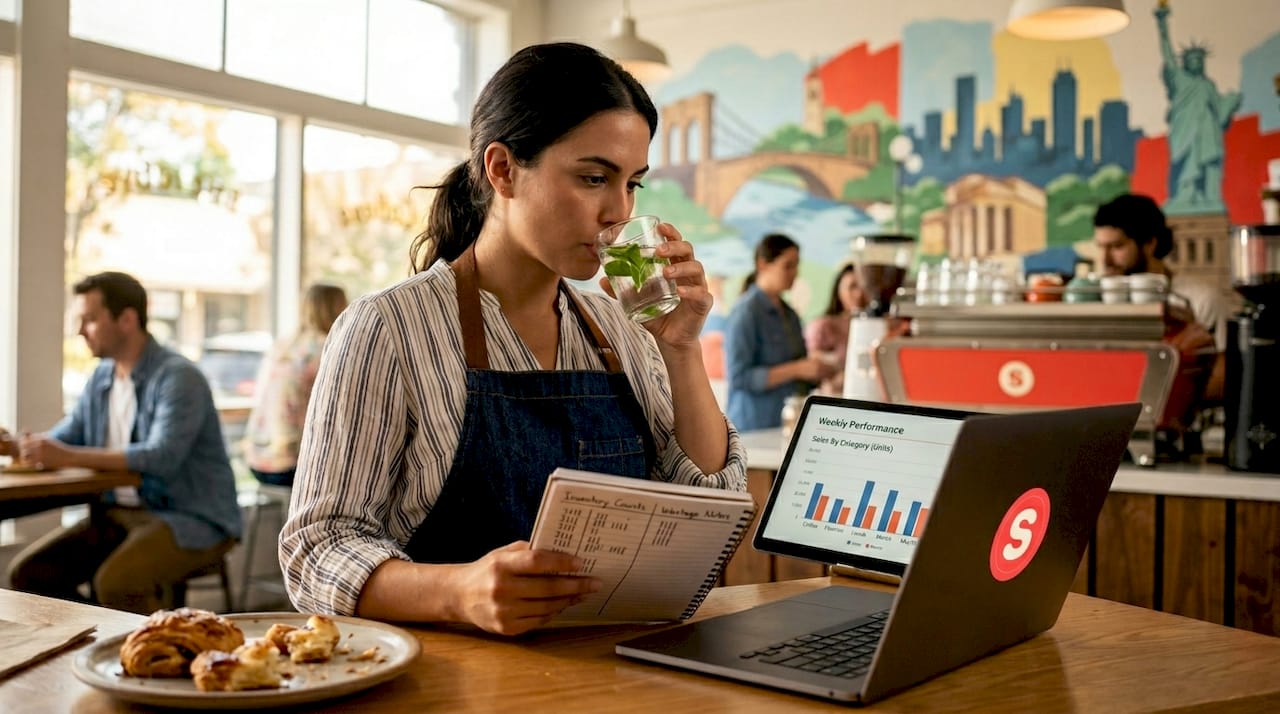
Compare each metric against your pre-promotion baseline. That is the only honest way to see lift. If your Tuesday lunch covers went from 40 to 52 and your average check held steady, the promotion worked. If covers went up but average check dropped and margin shrank, you attracted the wrong customers at the wrong price.
Pro Tip: Use analytics to transform your post-promotion review from a gut-check into a repeatable system. Even simple dashboards built from POS data tell you more than memory ever will.
Optimization does not always mean scrapping the promotion. Sometimes it means tightening the offer. If redemption rate was high but margin suffered, try raising the minimum spend threshold. If repeat visits were low, layer in a loyalty enrollment step at redemption. Building on what you learn and driving repeat visits through smarter follow-up is how single promotions turn into lasting customer relationships.
The goal of the measurement phase is not just to grade the last promotion. It is to build a library of what works for your specific restaurant so that each future promotion starts from a better position than the last.
My honest take on restaurant promotions
I have reviewed hundreds of restaurant promotion outcomes, and the pattern is hard to ignore. The operators who run profitable promotions are almost never the ones with the most creative offers. They are the ones who did the math first.
Most restaurants misuse discounts because discounting feels low-risk. You put up a sign, more people come in, it feels like it is working. But margin erosion is invisible until it shows up in your monthly P&L and by then the promotion is over. What I have found actually works is treating every promotion like a small business experiment: form a hypothesis, set your metrics, run the test, read the results without bias.
The other thing that surprises owners is how much staff attitude shapes outcomes. I have seen well-designed promotions underperform because servers mentioned the offer like a legal disclaimer rather than a genuine recommendation. And I have seen modest promotions punch above their weight because the whole team was excited and well-prepared. You cannot separate the offer from the people delivering it.
My advice is to run fewer promotions, but run them better. One well-prepared, well-tracked promotion teaches you more than six rushed ones.
— Barthelemy
How Sorbey helps you run smarter restaurant promotions
If the preparation, execution, and tracking phases described above feel like a lot to manage alongside daily operations, that is exactly the problem Sorbey is built to solve. Sorbey’s restaurant marketing services are designed for local restaurants that need real promotional results without a full marketing team on staff.
Before you commit to any offer, use Sorbey’s marketing ROI calculator to model the actual profit impact of your promotion. You can also use the marketing budget calculator to allocate your spend across channels before you launch. These tools do not just save time. They prevent the margin mistakes that quietly cost restaurants thousands per quarter.
FAQ
What is the restaurant promotions process?
The restaurant promotions process is a structured cycle covering preparation, offer design, execution, and post-promotion measurement. It starts with baseline data collection and goal-setting, runs through staff training and marketing, and ends with analyzing metrics to improve future campaigns.
How do I calculate if a discount promotion is profitable?
A 20% discount typically reduces your margin by over 30%, meaning you need roughly 25% more sales volume just to break even. Run your numbers using your actual food cost percentage and fixed costs before committing to any discount offer.
What are the best promotional ideas for restaurants during slow periods?
Timed promotions like happy hour windows, meal deal bundles on weekdays, and food-holiday-themed LTOs are proven tactics for filling slow shifts without cutting into your peak-period revenue.
How do gift card promotions affect taxes?
Gift card revenue is treated as advance payment and not taxed until the card is redeemed. Under the CARD Act, gift card funds must remain valid for at least five years. If you give gift cards to employees as rewards, the IRS counts them as taxable income that must be reported on a W-2.
How do I know if my restaurant promotion actually worked?
Compare your key metrics during the promotion period against your pre-promotion baseline. Track new customer counts, repeat visit rates, average check size, and margin per cover. If all four improved, the promotion worked. If only covers increased while margin dropped, your offer attracted deal-seekers, not loyal customers.
Recommended
También te puede interesar

Best Restaurant Loyalty Programs 2026: ROI Guide
Discover the best restaurant loyalty programs 2026 that boost repeat visits. Learn how Sorbey’s platform can transform your guest data strategy!

Why Mobile Marketing Matters for Business Growth
Discover why mobile marketing matters for business growth. Learn how optimizing for mobile drives traffic, conversions, and customer retention.

SF Dim Sum Restaurant Marketing Checklist for 2026
Transform your SF dim sum with our 2026 marketing checklist. Optimize your profile, showcase dishes, and attract customers fast!