
Blog
Event marketing for restaurants: proven ROI strategies
Learn how event marketing for restaurants delivers 150-300% ROI, builds guest loyalty, and drives foot traffic with proven strategies for urban restaurant owners.
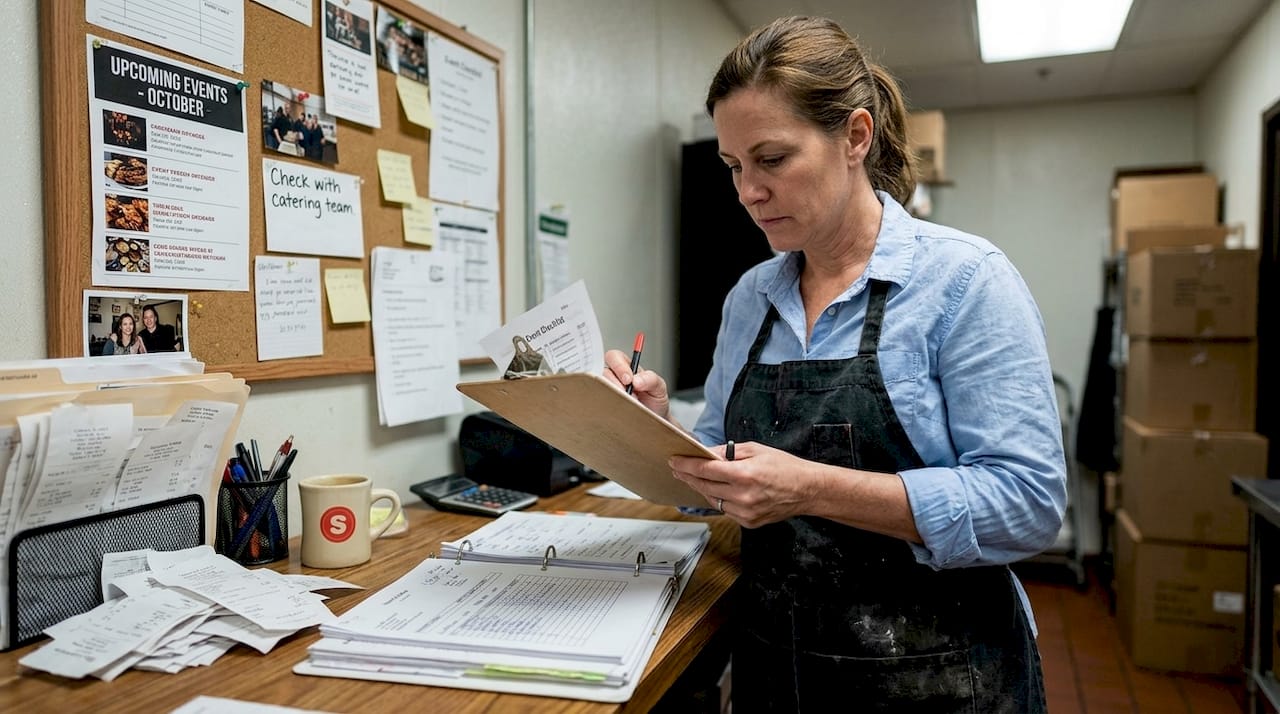
Event marketing for restaurants: proven ROI strategies
Most restaurant owners assume events are a gamble. The reality is that community events deliver 150-300% ROI for restaurants that plan them well. That gap between perception and data is exactly why so many operators leave serious revenue on the table. Event marketing is not just about throwing a party and hoping people show up. It is a structured strategy that builds customer loyalty, drives repeat visits, and turns your dining room into a destination. This guide breaks down how to make event marketing work for your restaurant, from choosing the right format to measuring real results.
Table of Contents
- What is event marketing for restaurants?
- Proven ROI: How event marketing delivers results
- Different types of event marketing for restaurants
- Common challenges and how to overcome them
- Event marketing as a tool for brand building and customer loyalty
- Why event marketing is the next competitive edge in restaurants
- Take your restaurant’s events to the next level
- Frequently asked questions
Key Takeaways
| Point | Details |
|---|---|
| Event marketing drives ROI | Strategically planned events can return 150-300% or more on marketing investment. |
| Boosts customer loyalty | Recurring and creative events help restaurants build emotional connections and repeat business. |
| Works beyond instant profit | Events foster long-term visibility and brand equity even if short-term revenue gains are modest. |
| Fits any scale | Restaurants can benefit from both large festivals and intimate, in-house events tailored to their market. |
What is event marketing for restaurants?
Event marketing is not the same as running a Tuesday night special or posting a holiday discount. It is a deliberate effort to create experiences that bring people through your door for a reason beyond the menu. Think chef’s table dinners, live music nights, wine pairing events, or partnering with a local farmers market. These activations give guests a story to tell.
The core idea is that events change the traditional customer experience, encourage special visits, and generate word-of-mouth momentum that paid advertising simply cannot replicate. When a guest attends your annual hot sauce tasting night and brings three friends, that is organic growth with a long tail.
A common misconception is that event marketing requires a celebrity chef or a massive production budget. It does not. Events scale to fit your operation. A small neighborhood bistro can run a monthly wine flight night for 20 guests. A larger urban restaurant can participate in citywide event-driven marketing types like restaurant weeks or food festivals that attract thousands.
Here is what effective restaurant event marketing looks like in practice:
- Specialty dining experiences: Chef’s tables, tasting menus, themed cuisine nights
- Live entertainment: Jazz nights, trivia, open mic events
- Community activations: Local charity fundraisers, neighborhood block parties
- Educational events: Cooking classes, cocktail workshops, sommelier sessions
- Seasonal programming: Holiday brunches, summer rooftop series
“The best restaurant events do not feel like marketing. They feel like memories.”
Each of these formats creates a different kind of engagement. The key is matching the format to your brand identity and your guests’ expectations.
Proven ROI: How event marketing delivers results
Let’s talk numbers. Restaurant marketing budgets typically sit at 3-6% of annual revenue, and events are one of the highest-returning line items within that budget. Community-focused events regularly deliver 150-300% ROI, while well-executed campaigns can exceed 500%.
The SLO Restaurant Month program is a strong real-world example. Participating restaurants saw a 50%+ traffic increase and the campaign generated over 419,000 impressions. That kind of visibility would cost far more through traditional paid advertising.
| Event type | Typical ROI range | Primary benefit |
|---|---|---|
| Community festivals | 150-300% | Brand visibility, new customers |
| Ticketed specialty dinners | 200-400% | Revenue offset, premium positioning |
| Charity and partnership events | 100-250% | Loyalty, press coverage |
| Citywide restaurant weeks | 150-350% | High foot traffic, new trial visits |
The economics work because events do two things at once. They generate immediate revenue through ticket sales, covers, and bar tabs. And they create long-term value by increasing customer lifetime value through repeat visits and referrals. You can calculate event marketing ROI using tools that factor in both short-term revenue and projected guest retention.
Pro Tip: Charge a small ticket fee for specialty events. Even $15-25 per person dramatically reduces no-shows and helps you forecast staffing and food costs more accurately.
The upfront investment in an event can feel daunting, but the math changes when you account for what a loyal repeat customer is worth over 12 months versus a one-time visitor.
Different types of event marketing for restaurants
Not every event format fits every restaurant. Choosing the right type depends on your goals, your team’s capacity, and your customer base. Here is a breakdown of the most effective formats.
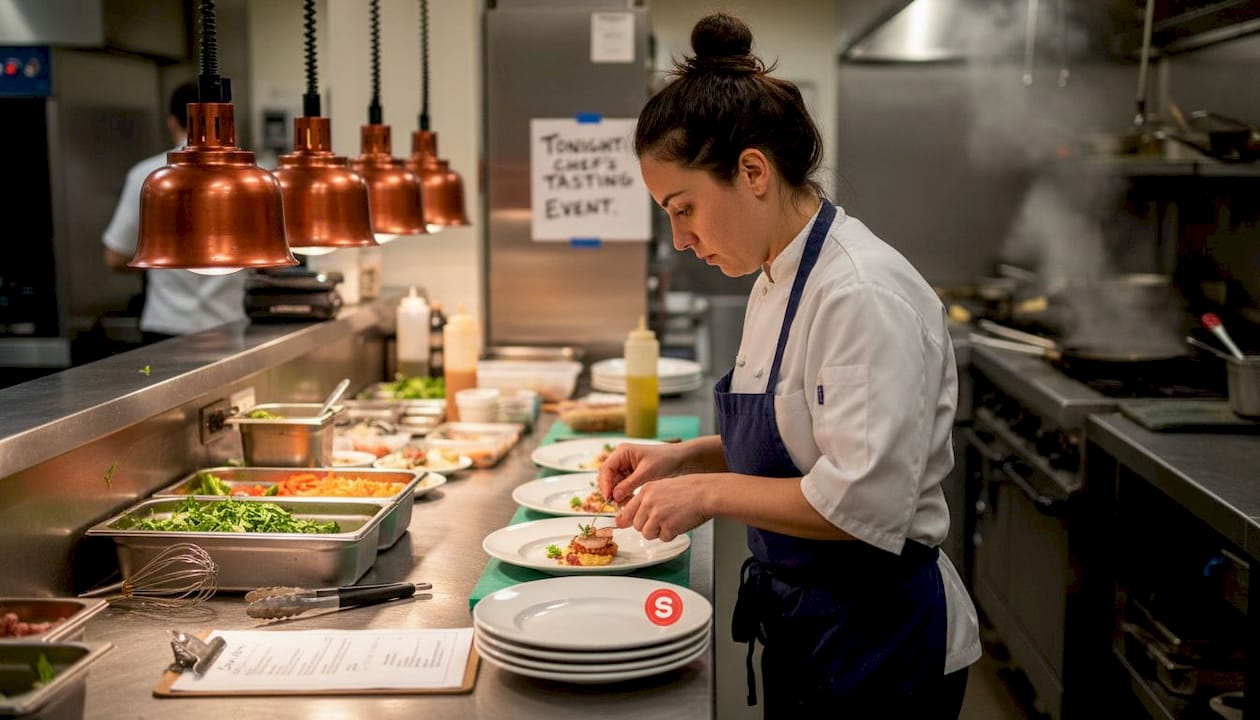
On-premises events are the most controllable. You manage the environment, the guest experience, and the revenue. Chef’s tables, themed dinner nights, and private celebrations fall into this category. These work well for building a premium brand image.
Community partnerships connect your restaurant to a larger audience. Participating in local farmers fairs, citywide festivals, or charity events puts your brand in front of people who may never have visited otherwise. The Windy City Smokeout grew from 12,000 to 30,000 attendees in just three years, showing how large-scale events can create massive brand exposure for participating restaurants.
Seasonal and holiday events capitalize on existing consumer intent. Mother’s Day brunches, Super Bowl watch parties, and Valentine’s Day prix fixe menus tap into occasions when people are already planning to go out. These are lower-risk because demand is predictable.
Pop-ups and collaborations are ideal for reaching new audiences. A guest chef takeover or a local brewery pairing night brings that partner’s audience into your space. It is co-marketing with built-in credibility.
| Format | Operational complexity | Marketing reach | Best for |
|---|---|---|---|
| On-premises specialty nights | Low to medium | Local/existing guests | Brand depth, loyalty |
| Community festivals | High | Broad, new audiences | Awareness, acquisition |
| Holiday events | Medium | Existing + new guests | Revenue spikes |
| Pop-ups and collaborations | Medium | Partner’s audience | New customer trial |

Strong branding event strategies tie each format back to your restaurant’s identity so every event reinforces what makes you different.
Common challenges and how to overcome them
Event marketing is not without friction. The restaurants that succeed are the ones that plan for the hard parts before they happen.
Here are the five most common challenges and how to address them:
- High labor requirements: Events demand more staff than a regular service. Plan your staffing needs two weeks in advance and consider cross-training existing team members for event roles.
- Unpredictable turnout: Pre-registration and ticketing solve this. Events that sell tickets upfront give you accurate headcounts and reduce the risk of over-preparing or under-staffing.
- Tracking real impact: Use post-event CRM data to measure new customer acquisition, repeat visit rates, and average spend. Tools that support boosting guest loyalty through segmented follow-ups make this much easier.
- Operational overload during peak times: Target slow periods instead. Weekday evenings and off-season dates are ideal for experimenting with smaller events without straining your core operation.
- Measuring long-term ROI: Do not judge an event solely on the night’s revenue. Track whether attendees increase repeat visits over the following 60-90 days.
“An event that breaks even on paper but brings back 40 new regulars is not a loss. It is a growth investment.”
Pro Tip: Build a simple post-event checklist that captures key metrics within 48 hours: total covers, ticket revenue, new email sign-ups, and social media mentions. This data becomes your baseline for every future event.
Good staffing and resource planning is often the difference between an event that energizes your team and one that burns them out.
Event marketing as a tool for brand building and customer loyalty
The most undervalued benefit of event marketing is not the revenue from a single night. It is the compounding effect on guest loyalty over time.
When guests attend recurring events at your restaurant, they develop a sense of familiarity and emotional connection with your brand. A monthly trivia night or an annual chili cook-off becomes part of their routine. They stop thinking of you as just a place to eat and start thinking of you as their place.
This matters because repeated engagement strengthens brand affinity and directly increases customer lifetime value. A guest who attends four events per year spends significantly more annually than one who visits twice for regular meals.
Here is how to build that loyalty loop through events:
- Create event traditions: Annual or monthly recurring events give guests something to look forward to and plan around
- Use CRM to follow up: Send personalized thank-you messages and early access invites to past event attendees
- Reward loyalty program members: Give loyalty members first access to tickets or reserved seating at popular events
- Encourage social sharing: Create a photo-worthy moment at every event to generate organic content
- Build community partnerships: Events that support local causes make your restaurant a neighborhood hub, not just a business
Integrating your guest loyalty through events strategy with a CRM system means every event becomes a data point that helps you understand your best customers better and market to them more effectively.
The restaurants that treat events as a loyalty engine, not just a revenue tactic, are the ones building something competitors cannot easily copy.
Why event marketing is the next competitive edge in restaurants
Here is an uncomfortable truth: digital marketing alone is no longer enough to differentiate a restaurant in a crowded urban market. You can run the best Instagram feed in your city and still lose regulars to the place down the street that hosts a killer monthly dinner series.
We are in what economists call the experience economy. Consumers do not just want a good meal. They want a story, a memory, a reason to come back. Restaurants that invest in event marketing are not just filling seats for one night. They are building brand recall that no ad spend can manufacture.
The operators who treat events as optional extras are already falling behind. In saturated markets like New York, Chicago, and Los Angeles, the restaurants that create signature experiences are the ones guests recommend, return to, and defend when a new competitor opens nearby. Exploring successful event examples from restaurants that have done this well makes it clear: the investment is not in the event itself. It is in the relationship the event creates.
Take your restaurant’s events to the next level
Event marketing is one of the highest-ROI strategies available to restaurant owners, but executing it well takes planning, the right tools, and a clear system for measuring results. Most operators have the ideas. What they need is the infrastructure to make those ideas work consistently.
Sorbey’s restaurant marketing services are built specifically for restaurants that want to grow through smarter marketing, not bigger budgets. From event planning support to CRM integration and loyalty program management, Sorbey restaurant marketing gives you everything you need to turn a single event into a long-term customer relationship. If you are ready to stop guessing and start building, this is where to begin.
Frequently asked questions
What types of events are most effective for restaurants?
On-premises specialty nights, community festivals, and collaborative pop-ups tend to drive the highest engagement. Community events deliver 150-300% ROI and consistently boost restaurant visibility with both new and returning guests.
How can restaurants measure event marketing ROI?
Track incremental sales, customer repeat rate, and brand impressions before and after each event. Campaigns like SLO Restaurant Month showed a 50%+ traffic increase alongside 419,000 impressions, proving that both quantitative and reach metrics matter.
Are events a worthwhile investment if they don’t instantly increase profit?
Absolutely. Events may lose money short-term but consistently build brand equity and guest loyalty that pays off over months and years, not just on the night of the event.
When is the best time to host restaurant events?
Hosting events during slow periods like weekdays or off-season holidays is the smartest move. Targeting slow periods fills your restaurant when it would otherwise sit quiet and lets you test new formats without disrupting peak service.
Recommended
También te puede interesar

Best Restaurant Loyalty Programs 2026: ROI Guide
Discover the best restaurant loyalty programs 2026 that boost repeat visits. Learn how Sorbey’s platform can transform your guest data strategy!

Why Mobile Marketing Matters for Business Growth
Discover why mobile marketing matters for business growth. Learn how optimizing for mobile drives traffic, conversions, and customer retention.
SF Dim Sum Restaurant Marketing Checklist for 2026
Transform your SF dim sum with our 2026 marketing checklist. Optimize your profile, showcase dishes, and attract customers fast!