
Blog
How to attract local diners and grow restaurant loyalty
Learn how to attract local diners and boost restaurant loyalty with effective strategies for visibility and community engagement. Discover more!
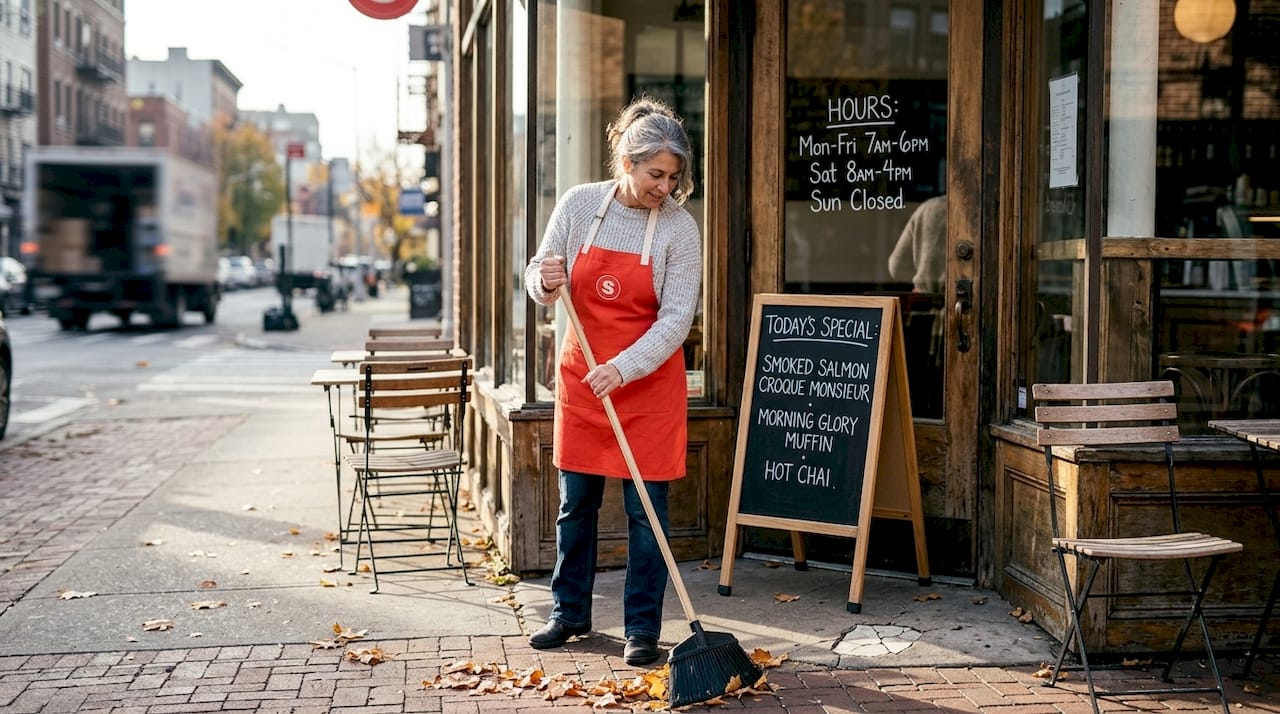
How to attract local diners and grow restaurant loyalty
TL;DR:
- Visibility and community connection are crucial for attracting local diners in urban settings, beyond just quality food.
- Preparing your restaurant’s physical and digital presence with consistent branding and local engagement significantly boosts neighborhood appeal before advertising.
Your restaurant has great food, a solid atmosphere, and a team that genuinely cares. Yet somehow, the place two blocks over is packed on Tuesday nights while your tables sit empty. This is one of the most frustrating realities for urban restaurant owners, and it has almost nothing to do with food quality. TikTok and geo-targeted ads are now directly shaping where nearby diners choose to eat, which means visibility and community connection matter just as much as your menu. This guide walks you through every step.
Table of Contents
- Prepare your restaurant for local appeal
- Step-by-step: Deploy geo-targeted promotions
- Enhance engagement with community-driven strategies
- Analyze results and improve your approach
- The real secret: Consistent authenticity beats deep discounts
- Ready to grow your local following?
- Frequently asked questions
Key Takeaways
| Point | Details |
|---|---|
| Geo-targeting works | Focusing ads within a local radius increases visibility and brings in nearby diners. |
| Community matters | Engagement with local groups and unique neighborhood experiences build repeat foot traffic. |
| Avoid discount traps | Locals-only perks and authentic value outshine generic coupon strategies in the long run. |
| Iterate for success | Regularly review campaign results and adjust tactics to keep local diners coming back. |
Prepare your restaurant for local appeal
With the challenge outlined, let’s first ensure your restaurant is ready to stand out locally before spending a single dollar on ads.
Your physical presence sets the first impression for every neighbor who walks by. Strong, readable signage that reflects your brand personality signals to passersby that your spot is worth a second look. Weak or generic signage, even on a beautiful building, communicates nothing memorable. Think about what someone who lives three blocks away sees when they walk past at 7 p.m. on a Friday. That moment is marketing.
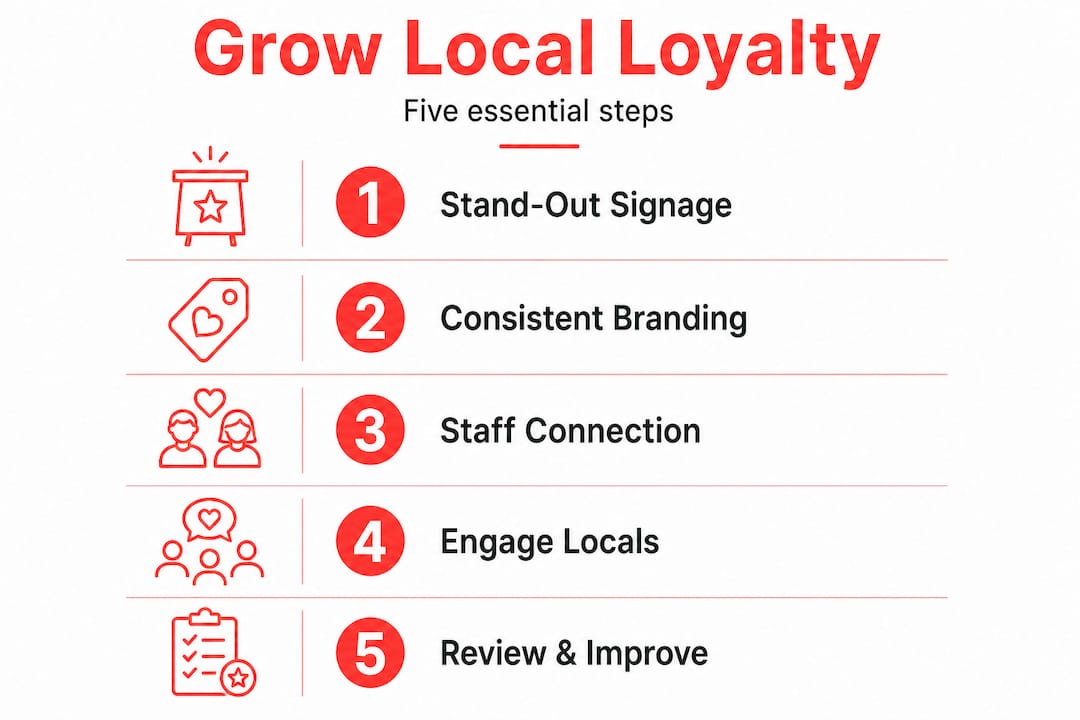
Following solid restaurant branding tips is not about hiring an expensive agency. It is about consistency. Your window signage, your social media bio, your menu design, and even your staff uniforms should tell the same story. When every touchpoint looks and feels like “you,” locals begin to recognize and remember your place.
Staff knowledge of the neighborhood matters more than most owners realize. When your servers can answer “what’s great to do around here after dinner?” or reference a local sports team or event naturally, it builds an instant human connection. Train your team to be genuine local insiders, not just order takers.
On the digital side, your Google Business Profile, Yelp page, and social accounts must reflect accurate hours, your real location, and updated photos. Geo-targeted social ads and locally tailored offers only work when your underlying profiles support the impression those ads create. A mismatch between your ad and a poorly maintained profile kills trust immediately.
Here is a quick comparison of restaurants that perform well locally versus those that struggle:
| Factor | Strong local presence | Weak local presence |
|---|---|---|
| Signage | Clear, branded, updated | Generic or outdated |
| Google Business Profile | Complete with fresh photos | Incomplete or neglected |
| Staff local knowledge | High, genuine engagement | Little or none |
| Menu local relevance | Reflects neighborhood tastes | No local adaptation |
| Social media consistency | Regular, local-focused posts | Sporadic or off-brand |
Key areas to address before launching any campaign:
- Audit your Google Business Profile for accuracy, completeness, and recent photos
- Review your menu for seasonal or locally inspired items that resonate with the neighborhood
- Brief your staff on current local events, sports, and community conversations
- Align your social profiles with the same branding voice and visuals you use in-store
- Check that your address and hours match across every platform
Step-by-step: Deploy geo-targeted promotions
Once your physical and digital presence is ready, it is time to actively connect with nearby diners through paid campaigns.
Geo-targeted advertising means you pay to show your ads only to people within a specific radius of your restaurant. On Facebook and Instagram, you can set this as tight as one mile. On TikTok, you can target by city, zip code, or a custom audience radius. This precision means you are not wasting budget on someone 40 miles away who will never visit.
Here is a simple step-by-step approach to launching your first geo-targeted campaign:
- Choose your platform. Start with one. Facebook and Instagram are reliable for older local audiences. TikTok reaches a younger crowd actively looking for dining inspiration.
- Set your radius. A 1 to 3 km radius for social ads is the most effective starting range for restaurant promotions targeting foot traffic.
- Define your audience parameters. Layer in age, interests (foodies, local events, neighborhood groups), and behaviors like dining out frequently.
- Create a locals-only offer. Not a generic 10% off coupon. Think: “Free appetizer for neighborhood residents on weeknights,” or “Locals’ happy hour, Monday to Wednesday, 5 to 7 p.m.” This framing signals exclusivity and community belonging.
- Write copy that speaks to your neighborhood. Name the area. Reference something local. “Hey, Wicker Park” or “For Lincoln Square locals” works far better than “Visit us today.”
- Set a realistic budget. Even $10 to $20 per day for a 7-day test can generate meaningful results for a neighborhood campaign.
- Track conversions. Use promo codes, unique landing pages, or reservation links tied to each campaign so you know exactly what is driving visits.
TikTok content that shows real kitchen moments, staff personalities, and behind-the-scenes prep can inspire local visits organically, and running paid TikTok ads on top of that organic content further amplifies your reach to nearby diners who have not yet discovered you.
Here is a performance benchmark table to set realistic expectations for local ad campaigns:
| Campaign type | Avg. cost per click | Expected foot traffic lift | Best for |
|---|---|---|---|
| Facebook radius ad | $0.50 to $1.50 | 10 to 20% increase | Older locals, families |
| Instagram story ad | $1.00 to $2.00 | 8 to 15% increase | Millennials, food enthusiasts |
| TikTok geo ad | $0.80 to $2.50 | 12 to 25% increase | Under-35, new-to-area residents |
| Google local ad | $1.50 to $4.00 | 15 to 30% increase | High-intent searchers |
Pro Tip: Do not run all platforms at once. Test one platform for two weeks, measure results, then expand to a second. This approach keeps your budget focused and your data clean.
For a deeper breakdown of ad types and budgeting, read this guide to local advertising or explore why local paid ads consistently outperform organic-only strategies for restaurant visibility.
Enhance engagement with community-driven strategies
After launching targeted promotions, reinforce your appeal through ongoing community engagement that builds real, lasting loyalty.
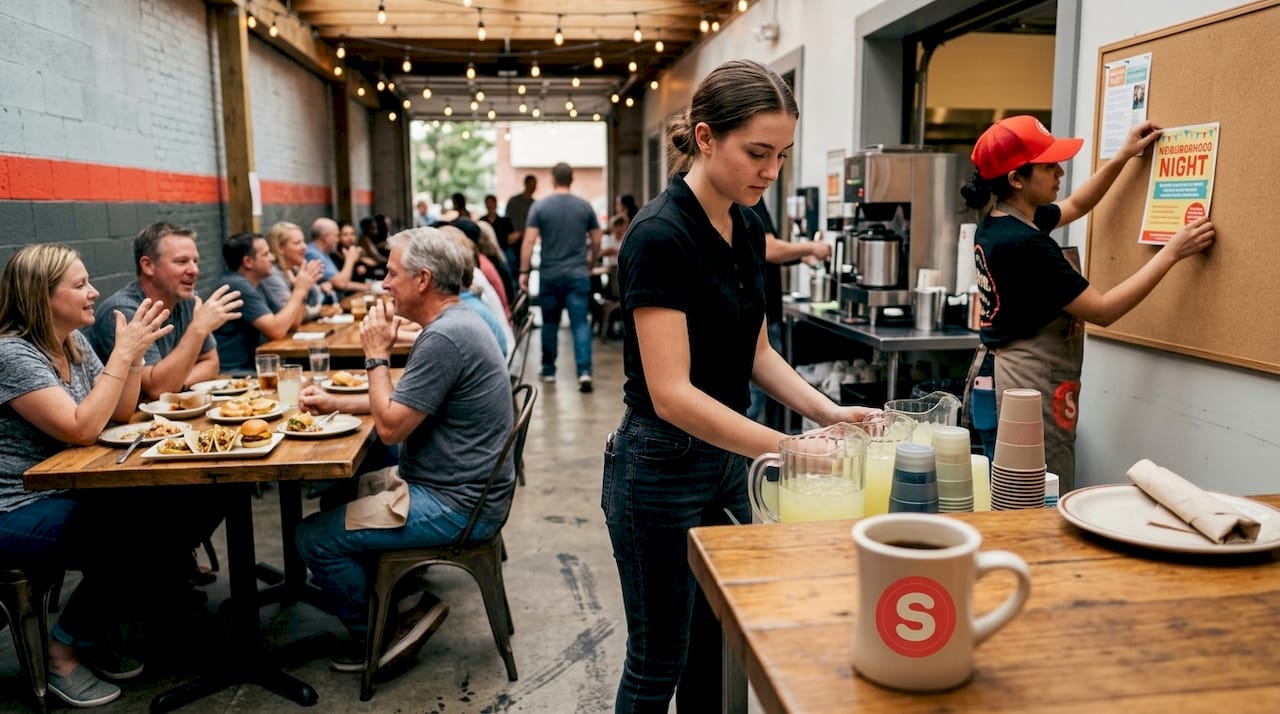
Paid ads bring people in once. Community connection brings them back every week. The most successful neighborhood restaurants in major cities are not just places to eat. They are part of the social fabric of the area. That status is earned through intentional, consistent engagement.
Local partnerships are one of the highest-return investments you can make. Consider these:
- Partner with a nearby school for fundraiser nights where a percentage of sales goes to a local cause
- Collaborate with a neighborhood gym for post-workout meal deals
- Sponsor a local little league team and feature their games on your social media
- Work with nearby boutiques or bookstores for cross-promotional events
- Host local artists or musicians and promote their presence to both your audience and theirs
“Community-led approaches drive loyalty and preserve margins better than blanket discount strategies, especially in competitive urban markets.”
Locals-only nights are a powerful tool. Imagine a monthly “neighborhood appreciation” event where residents get first access to a new menu, a cooking demo, or a prix fixe dinner at a preferred rate. These events are not about deep discounts. They are about making your local customers feel like insiders, not just consumers. That emotional connection drives repeat visits and word-of-mouth referrals far more effectively than a coupon ever will.
User-generated content (UGC) is free marketing. When a local posts a photo of their birthday dinner at your restaurant and tags your location, their 500 followers who live nearby see it. Encourage this by creating a visually appealing corner of your restaurant, by having staff offer to take group photos, or by running a monthly contest where locals share their best photo for a gift card. Invest time in restaurant content marketing to build a strategy that turns your customers into advocates.
Reviews on Google and Yelp from local diners carry enormous weight. After a great experience, your staff can casually mention that reviews help small businesses enormously. Most happy guests are glad to help when asked genuinely. Applying hyperlocal marketing principles means every review, every tag, and every share is part of a larger strategy to dominate your immediate neighborhood’s conversation.
Pro Tip: When you respond to online reviews, mention your neighborhood by name. “Thanks so much from our team here in Bucktown” signals to other local readers that you are deeply invested in the community.
Analyze results and improve your approach
Lastly, ensure your efforts pay off by regularly assessing results and optimizing your tactics.
Running campaigns and hosting events without tracking outcomes is like cooking a new dish without tasting it. You need feedback loops to understand what is working, what is wasting your budget, and where to focus next.
Here is a structured approach to analyzing your local marketing performance:
- Review ad analytics weekly. On Facebook, Instagram, and TikTok, check your cost per result, click-through rate, and reach. A click-through rate above 1% on local ads is generally solid for restaurant campaigns.
- Track reservation sources. Ask your host to note how guests heard about you, through Instagram, a friend’s recommendation, Google, or a specific promo. This low-tech method reveals what is actually driving visits.
- Monitor repeat visit rates. If you have a loyalty program or reservation system, look at how many first-time guests return within 30 days. A rate below 20% suggests the first experience is not converting to loyalty.
- Compare foot traffic by day and week. If a Tuesday night promotion is consistently drawing crowds but Thursday is quiet, shift resources accordingly.
- Audit your social media engagement. Likes are vanity. Comments, shares, and saves are signals of genuine resonance. Track these monthly.
Common pitfalls that slow local growth include:
- Over-relying on discounts until your regular guests expect them and refuse to pay full price
- Ignoring negative reviews, which local diners read closely before trying a new spot
- Posting on social media only when there is a promotion to announce, which trains followers to ignore you until they want a deal
- Running geo-targeted ads without a compelling, locally specific offer attached
- Failing to follow up on the data, running a campaign once and never iterating
Paid media enhances the effectiveness of organic social channels for local awareness and conversion, but only when both are tracked together. Use your digital marketing checklist to ensure no channel falls through the cracks. And if you are not yet investing in search visibility, local SEO for restaurants is one of the most cost-efficient ways to attract diners who are actively searching for places nearby.
The real secret: Consistent authenticity beats deep discounts
Here is an uncomfortable truth most marketing articles skip right over: discounts are the lazy default, and in major city markets, they often backfire.
When a restaurant in a competitive urban neighborhood starts offering heavy coupons to attract locals, something subtle but damaging happens. Guests start associating the place with “deal nights.” Full-price visits feel wrong to them. The restaurant’s perceived value drops, and margins erode. Over time, the owner is running harder just to break even on the same number of covers.
The restaurants that genuinely own their local market, the ones with a two-year waitlist on Valentine’s Day and a loyal Thursday night crowd regardless of any promotion, did not get there through Groupon. They got there through relentless consistency in experience, voice, and community presence.
Building lasting local value means showing up the same way every week, whether you have 20 covers or 80. It means your staff says the same things, your food tastes the same, and your social media reflects the same personality. Major city diners, whether in Chicago, Los Angeles, or New York, have more options than ever. What makes them choose one restaurant consistently is trust. And trust is built through repetition, not flash sales.
The local advertising guide we recommend puts it plainly: advertise to bring them in, but your culture keeps them coming back. Use ads as a door, not a crutch. When you combine geo-targeted precision with genuine community investment and a consistent guest experience, you stop competing on price and start winning on identity.
Ready to grow your local following?
Attracting and keeping local diners takes the right strategy and the right tools working together. At Sorbey, we specialize in all-in-one marketing for restaurants just like yours, combining geo-targeted advertising, local SEO, and content marketing into a single, manageable system built around your neighborhood.
Whether you are launching your first local campaign or looking to level up what is already working, our restaurant marketing services are designed to deliver real visibility and measurable results. Our AI-powered marketing platform handles the heavy lifting so you can focus on running a great restaurant. Let us help you become the neighborhood’s first choice.
Frequently asked questions
What type of social ads work best for local diners?
Geo-targeted ads and tailored offers within a 1 to 3 km radius are the most effective format, especially when paired with a locally specific message or exclusive neighborhood perk.
How can I avoid discount dependency when attracting locals?
Use exclusive perks, community events, and insider access instead of blanket coupons. Locals-only perks build loyalty without the margin erosion that comes from constant discounting.
What are top mistakes in local restaurant marketing?
The biggest errors are over-relying on discounts and neglecting consistent community engagement. Discount dependency trains guests to only visit during promotions, which undermines long-term profitability.
Can TikTok really drive foot traffic to my restaurant?
Absolutely. TikTok’s influence on dining decisions is well-documented, and combining organic content with paid geo-targeted ads on the platform can meaningfully increase local visits.
Recommended
- Content marketing tips for restaurants: attract more local diners | Sorbey Blog | Sorbey
- Boost local restaurant success with strategic local advertising | Sorbey Blog | Sorbey
- Top Branding Tips for Restaurants to Attract Local Customers | Sorbey Blog | Sorbey
- Digital marketing checklist for restaurants: boost local visibility | Sorbey Blog | Sorbey
You might also like
Best Restaurant Loyalty Programs 2026: ROI Guide
Discover the best restaurant loyalty programs 2026 that boost repeat visits. Learn how Sorbey’s platform can transform your guest data strategy!

Why Mobile Marketing Matters for Business Growth
Discover why mobile marketing matters for business growth. Learn how optimizing for mobile drives traffic, conversions, and customer retention.

SF Dim Sum Restaurant Marketing Checklist for 2026
Transform your SF dim sum with our 2026 marketing checklist. Optimize your profile, showcase dishes, and attract customers fast!