
Blog
QR Code Menu Benefits Every Restaurant Owner Should Know
Unlock the la restaurant QR code menu benefits: enhance customer experience, save costs, and boost revenue with real-time updates!
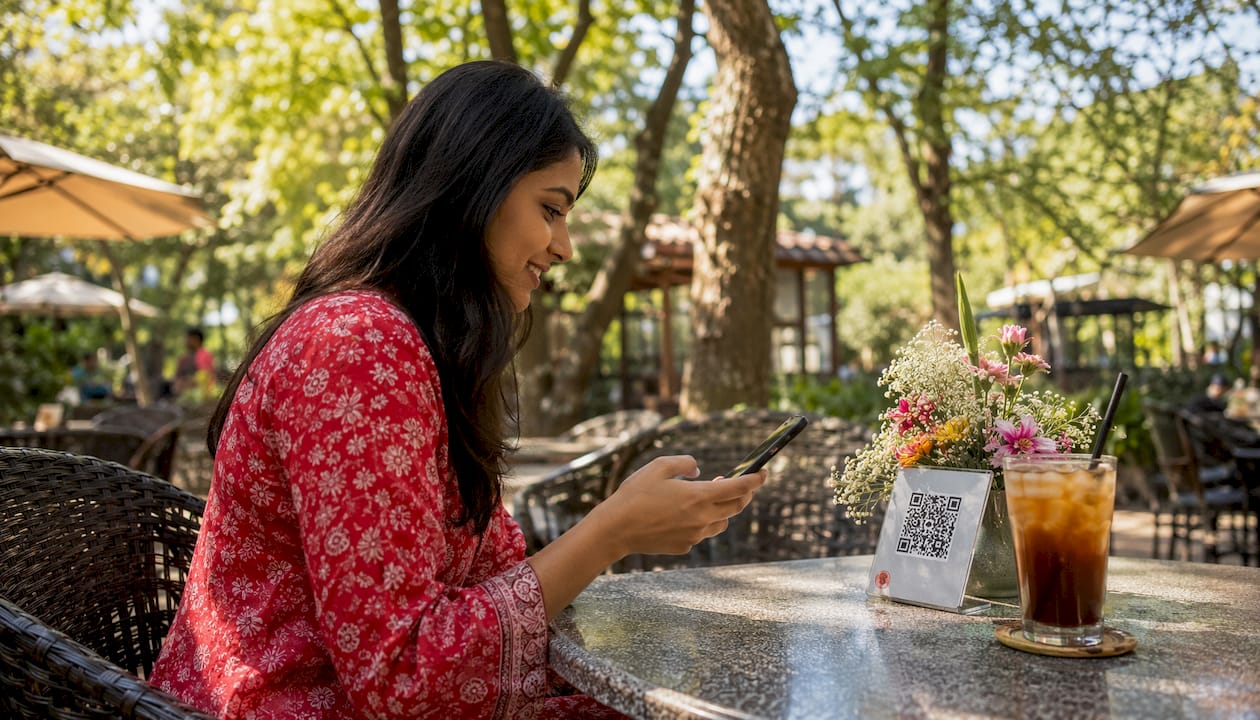
QR Code Menu Benefits Every Restaurant Owner Should Know
TL;DR:
- QR code menus improve customer experience, enable real-time updates, and reduce operational errors.
- They increase revenue and efficiency while providing valuable data insights for restaurant growth.
Why QR code menus are worth it for your restaurant
QR code menus do more than replace a laminated card. They give you a live, editable, data-generating tool that sits on every table. The core advantages break down into five areas:
- Customer experience: Guests browse at their own pace, in their own language, with photos and allergen info built in.
- Real-time updates: Change a price, pull a sold-out dish, or launch a special without touching a printer.
- Labor efficiency: Staff spend less time reciting specials and more time on hospitality.
- Revenue growth: Contextual upsell prompts and high-quality imagery increase average order value.
- Cost savings: Printing costs drop significantly, with yearly savings and break-even typically within several months.
Health and safety matter too. A QR menu means no shared physical card passing between dozens of hands per shift. Sorbey’s all-in-one platform is built specifically to help local restaurants capture every one of these advantages.
Table of Contents
- 1. Guests get a better experience from the first scan
- 2. Real-time updates prevent costly mistakes
- 3. Ordering errors drop sharply
- 4. Labor efficiency improves across the board
- 5. Revenue goes up through smarter menu design
- 6. Table turnover improves during peak hours
- 7. Analytics give you data you’ve never had before
- 8. How to implement QR code menus the right way
- Key Takeaways
- Sorbey gives your restaurant a digital menu that actually works for you
1. Guests get a better experience from the first scan
Most full-service restaurant guests now treat digital menu access as a baseline expectation, not a novelty. When someone sits down and can immediately browse a menu with real photos, filter by allergen, and read descriptions without flagging a server, the meal starts better.
- High-quality images push guests toward higher-margin items before a word is spoken.
- Allergen and dietary filters let guests with restrictions order confidently.
- Language routing serves international guests in their own language from a single printed code.
- No app download required. Guests scan and browse instantly in their phone’s browser, removing the biggest adoption barrier.
78% of customers prefer QR code menus over traditional paper menus for convenience and contactless access.
That number matters because preference drives behavior. Guests who feel comfortable ordering faster tend to order more, and they leave with a better impression of the experience overall.
2. Real-time updates prevent costly mistakes
The single biggest operational win from a digital menu is the ability to change it instantly. A dish sells out at 7 PM on a Friday. With a printed menu, your servers spend the next two hours apologizing. With a dynamic QR code, you mark it unavailable in your dashboard and every table reflects that change in seconds.
- Eliminate the “sorry, we’re out of that” conversation entirely.
- Push seasonal specials, happy hour pricing, or event menus on a schedule without staff involvement.
- Correct a price or ingredient note across every location simultaneously.
Dynamic QR codes are the key distinction here. A static code bakes the menu URL into the pattern permanently. A dynamic code routes through an editable short link, so the printed code never changes while the menu behind it can. For any working restaurant, dynamic is the only practical choice.
Pro Tip: Tag each QR code placement (table, window, takeaway bag) with its own short link. You’ll see exactly which spots drive the most scans and can adjust placement accordingly.
3. Ordering errors drop sharply
Restaurants using digital menus report a a significant reduction in ordering errors and 20% shorter wait times when real-time inventory is integrated. The reason is straightforward: when guests input their own order, the margin for miscommunication between the table and the kitchen shrinks dramatically.
- Guests select exactly what they want, including modifications, from a structured interface.
- Orders route directly to the kitchen display or POS, bypassing the verbal handoff where most errors occur.
- Fewer wrong dishes means less food waste and fewer comped meals.
That accuracy improvement also takes pressure off your staff during peak hours, when verbal order-taking errors spike most.
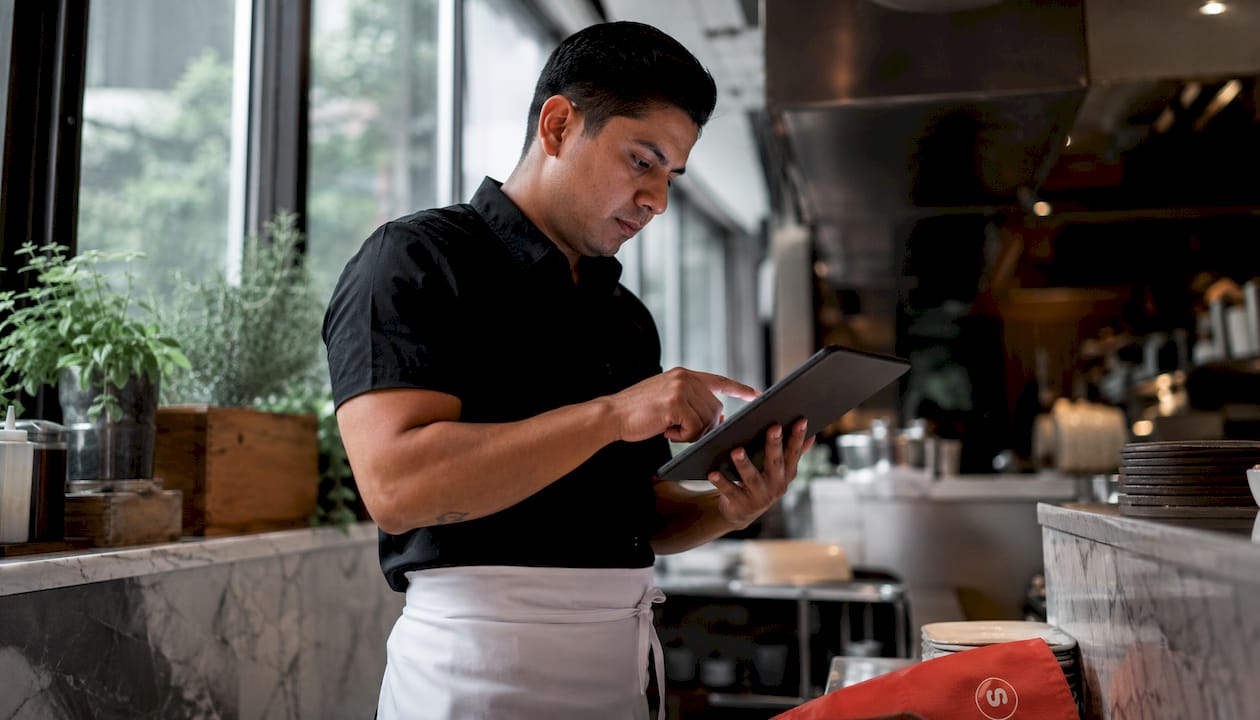
4. Labor efficiency improves across the board
Digital menus reduce staff workload by cutting repetitive tasks: reciting the menu, taking orders, running back to confirm modifications. That time goes back to the floor as genuine hospitality. One mid-sized chain that adopted digital menus reported a a notable reduction in labor costs within a few months, with staff redirected toward customer service rather than order mechanics.
- Servers handle more tables without feeling stretched.
- Training new staff gets simpler when menu knowledge lives in the digital menu itself.
- Payment can be handled at the table through the same interface, cutting the check-drop cycle.
This is where QR menus pay for themselves in ways that don’t show up in the printing budget.
5. Revenue goes up through smarter menu design
A printed menu is static. A digital menu is a sales tool you can tune continuously. Digital menus with high-quality imagery and upsell prompts increase average order value by surfacing the right suggestions at the right moment.
- Pair suggestions appear automatically (“Add a side?” “Guests also ordered…”).
- High-margin items get visual prominence through placement and photography.
- Limited-time offers display with countdown urgency that a printed card can’t replicate.
- Loyalty program integration rewards repeat guests without any staff effort.
One restaurant chain saw a a considerable increase in average ticket size within a few months of switching, driven by strategic upsell placement. For a deeper look at how this works, upselling through digital menus is worth understanding before you design your menu layout.
6. Table turnover improves during peak hours
Faster ordering and integrated payment mean guests move through their meal more efficiently. QR-based digital ordering reduces average table time significantly, which translates directly into more covers per shift without adding seats.
During a busy Friday dinner service, shaving 8–10 minutes off average table time across 20 tables adds up to meaningful additional revenue. No renovation required.
7. Analytics give you data you’ve never had before
Every scan of a dynamic QR code is a logged event. Digital menu platforms track item views, browsing time, and ordering patterns in ways a printed menu never could.
- See which items get viewed most versus which get ordered, and close that gap.
- Identify your busiest scan windows to align staffing with actual demand.
- Track which table placements drive the most engagement.
- Use menu performance data to inform your next seasonal update.
This is the part most restaurant owners don’t anticipate. The menu becomes a feedback loop, not just a list.
8. How to implement QR code menus the right way
Getting the setup right matters more than most guides admit. Here’s what actually works:
- Host your menu online at a stable URL. A well-structured web page outperforms a PDF every time, especially for mobile readability and SEO.
- Use dynamic QR codes only. Static codes are a dead end the moment you need to change anything.
- Print codes at 3cm or larger, black on white, with a short human-readable URL beneath for guests who prefer to type.
- Place codes where guests can reach them without leaning. Eye level at the table edge, not buried under a napkin holder.
- Keep physical menus available on request. Some guests prefer them, and making that easy costs nothing.
- Integrate with your POS from day one. Orders flowing directly to your kitchen display eliminate the manual entry step entirely.
- Connect to your marketing stack. QR menus can feed loyalty programs, collect opt-ins, and link to your social channels. The online menu growth potential goes well beyond the table.
- Review your analytics monthly. The data is only useful if you act on it.
Pro Tip: Run one code per table zone rather than one code for the whole room. The breakdown by section tells you whether your corner tables are underperforming because of placement or foot traffic, and that’s a decision you can actually fix.
For a practical walkthrough on keeping your menu current, updating menus online covers the workflow in detail.
Key Takeaways
QR code menus deliver measurable gains in customer satisfaction, operational efficiency, and revenue when implemented with dynamic codes and POS integration.
| Point | Details |
|---|---|
| Guest preference is clear | 78% of customers prefer QR menus over paper for convenience and contactless access. |
| Errors drop significantly | Restaurants report a a significant reduction in ordering errors with real-time inventory integration. |
| Printing costs shrink fast | Average yearly savings around $3,800, with break-even in 6–13 months. |
| Dynamic codes are non-negotiable | Static codes can’t be updated; dynamic codes let you edit the menu without reprinting anything. |
| Sorbey handles the full picture | Sorbey’s all-in-one platform gives local restaurants QR menus, analytics, and marketing tools in one place. |
Sorbey gives your restaurant a digital menu that actually works for you
Most QR menu tools stop at the code. Sorbey goes further. As an all-in-one marketing platform built for local restaurants, Sorbey connects your digital menu to your broader marketing operation: loyalty programs, local SEO, social engagement, and analytics that tell you what’s actually driving revenue. You’re not just replacing a laminated card. You’re giving your restaurant a live tool that works between visits, not just during them.
The setup is straightforward, and you don’t need a tech team. Sorbey is designed for operators who want results without the overhead of managing five separate platforms. If you want to see how restaurant digital marketing fits into a broader growth strategy, that context helps frame what Sorbey makes possible.
Ready to put a smarter menu on every table? Get started with Sorbey and see what your restaurant looks like when the menu works as hard as you do.
Recommended
You might also like
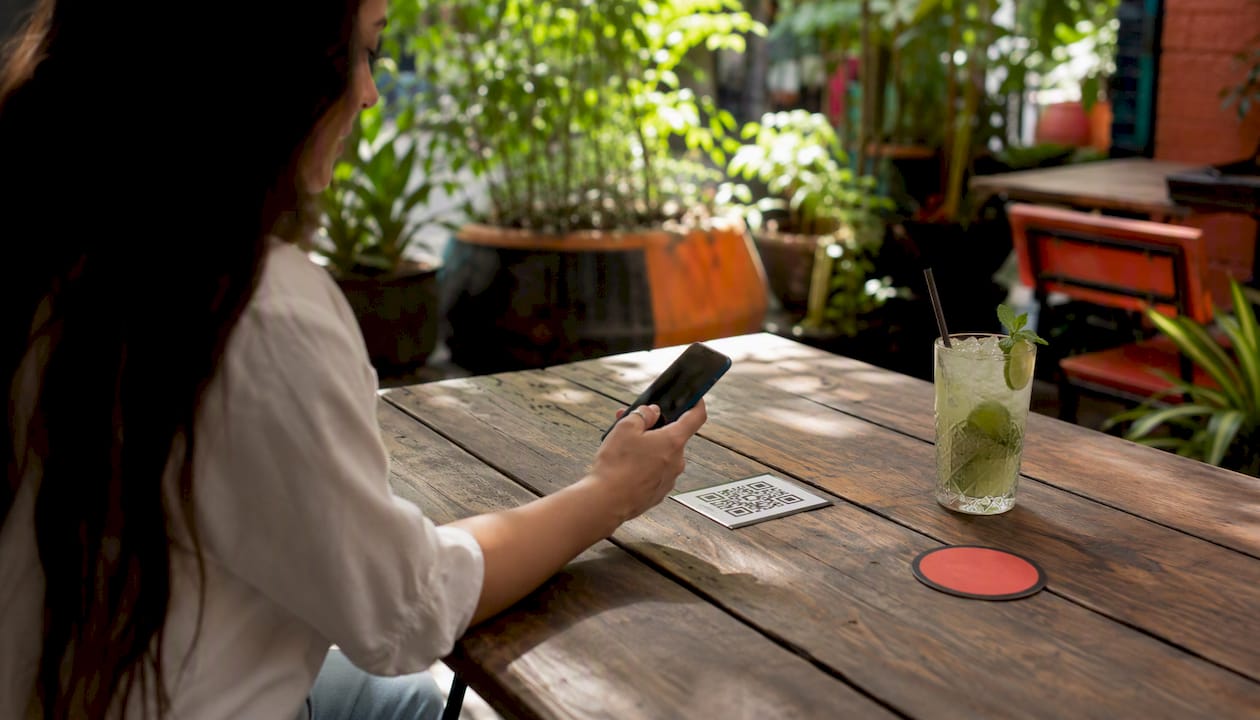
Best Restaurant Loyalty Programs 2026: ROI Guide
Discover the best restaurant loyalty programs 2026 that boost repeat visits. Learn how Sorbey’s platform can transform your guest data strategy!

Why Mobile Marketing Matters for Business Growth
Discover why mobile marketing matters for business growth. Learn how optimizing for mobile drives traffic, conversions, and customer retention.

SF Dim Sum Restaurant Marketing Checklist for 2026
Transform your SF dim sum with our 2026 marketing checklist. Optimize your profile, showcase dishes, and attract customers fast!