
Blog
Restaurant Promotional Campaign Steps That Fill Tables
Discover essential restaurant promotional campaign steps to increase customer visits, enhance average check size, and build loyalty effectively.

Restaurant Promotional Campaign Steps That Fill Tables
TL;DR:
- Effective restaurant promotions focus on protecting margins, targeting slow periods, and measuring results continuously. Running 2 to 3 well-designed campaigns monthly maximizes return and builds customer loyalty. Consistent use of channels like Google Business Profile, email, and social media enhances visibility and drives incremental visits.
A restaurant promotional campaign is a structured series of marketing actions designed to increase customer visits, boost average check size, and build loyalty through targeted offers and consistent visibility. Following clear restaurant promotional campaign steps separates operators who grow steadily from those who run one-off discounts and wonder why nothing sticks. The best campaigns combine margin-safe offer design, optimized digital presence, and operational simplicity. This guide gives you a practical framework to build, launch, and measure promotions that actually move the needle.
What foundational steps do you need before launching a campaign?
Preparation determines whether a campaign makes money or costs you money. Before writing a single social post or sending one email, you need three things: your numbers, your audience, and your channels.
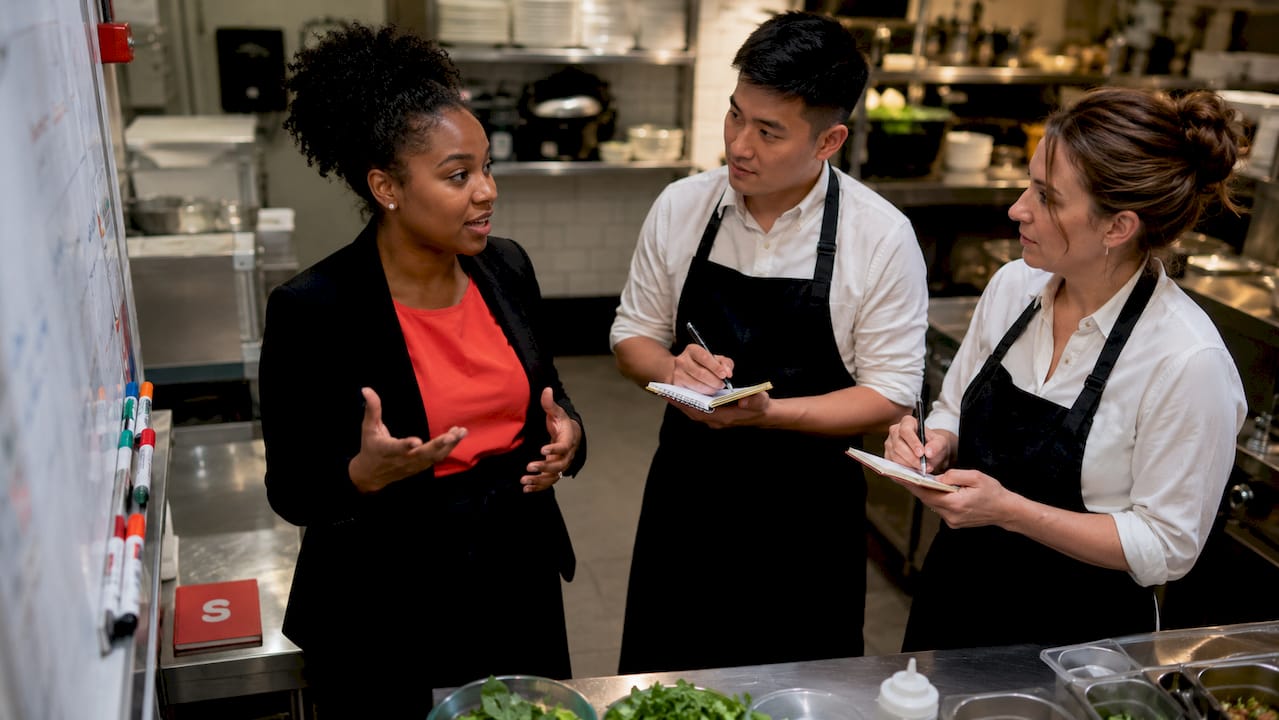
Know your margins first. Identify your food cost percentage, overhead, and the minimum check size needed to stay profitable on a promoted visit. Without this baseline, you cannot design an offer that adds revenue rather than subtracting it. A promotion that fills tables but erodes margin is worse than no promotion at all.
Define your audience and slow periods. Not every customer deserves the same offer. Segment by visit frequency, average spend, and preferred daypart. Targeting slow dayparts prevents you from discounting customers who would have come anyway at full price. Tuesday lunch and Sunday dinner are typically the highest-opportunity windows for most full-service restaurants.
Choose your marketing channels before you design the offer. The four core channels for restaurant marketing are:
- Email: Best for loyalty offers, birthday campaigns, and post-visit follow-ups
- SMS: Best for time-sensitive flash promotions and same-day traffic drivers
- Social media: Best for brand awareness, event promotion, and community building
- Google Business Profile (GBP): Best for capturing local search intent at the moment of decision
Pro Tip: Set up a simple CRM or customer database before your first campaign. Even a spreadsheet with names, emails, and visit dates gives you targeting power that generic ad blasts cannot match.
| Channel | Best use case | Key metric to track |
|---|---|---|
| Loyalty and birthday offers | Open rate, redemption rate | |
| SMS | Flash deals, same-day traffic | Click rate, redemption rate |
| Google Business Profile | Local search visibility | Calls, direction requests |
| Social media | Events, brand content | Reach, engagement rate |
How do you design effective promotions without eroding your margins?
Offer design is where most restaurant owners make their biggest mistake. A blanket percentage discount feels generous, but blanket discounts require 40% more sales volume just to break even. That math rarely works in a restaurant’s favor.
The better approach is to add perceived value rather than subtract price. A free appetizer with a $40 minimum spend costs you $4–$6 in food cost and feels like a $12 gift to the guest. A bundled prix-fixe menu at a slight discount moves more covers without touching your à la carte pricing. These structures protect your margin while still giving guests a reason to act.
The most profitable promotions give customers something extra rather than charging them less. A value-add offer preserves your pricing integrity and trains guests to expect generosity, not discounts. Once you train a customer to wait for a deal, you have permanently changed how they value your full-price menu.
Four rules for margin-safe offer design:
- Use spend thresholds. Require a minimum check before the benefit unlocks. This protects margin and increases average ticket.
- Bundle, don’t discount. Pair a high-margin item (drinks, desserts) with a lower-margin entrée to lift the overall check.
- Set hard expiration dates. Offers without end dates train guests to wait. A 10-day window creates urgency.
- Run promotions 2–3 times per month at most. More frequent deals erode perceived value and condition guests to expect a discount every visit.
Avoid operational complexity at all costs. Highly complex promotions confuse staff during rush periods and fail even when the offer itself is strong. If your server cannot explain the promotion in one sentence, simplify it.
Pro Tip: Test every offer with your front-of-house team before launch. If they hesitate or ask clarifying questions, the offer is too complicated for a busy Friday night.
What are the step-by-step tactics to promote your campaign and engage customers?
Execution is where campaigns live or die. You can design a perfect offer and still fail if the right people never hear about it. The following steps build a complete promotional push across every channel that matters.
-
Optimize your Google Business Profile. Restaurants with 100+ photos on GBP receive 520% more customer calls than those with fewer than 10 photos. Upload new food photos weekly and post your current promotion directly to GBP. Weekly GBP updates drive 70% more engagement than profiles that go untouched. This is your highest-leverage free marketing channel.
-
Launch triggered email and SMS sequences. Send a post-visit email within 24 hours of a guest’s visit. Triggered emails sent within 24 hours generate 3–5 times higher open rates than generic blasts. Use that email to introduce your current promotion and invite the guest back. Birthday campaigns are especially powerful: birthday email campaigns average $42 per redemption with a 35% redemption rate.
-
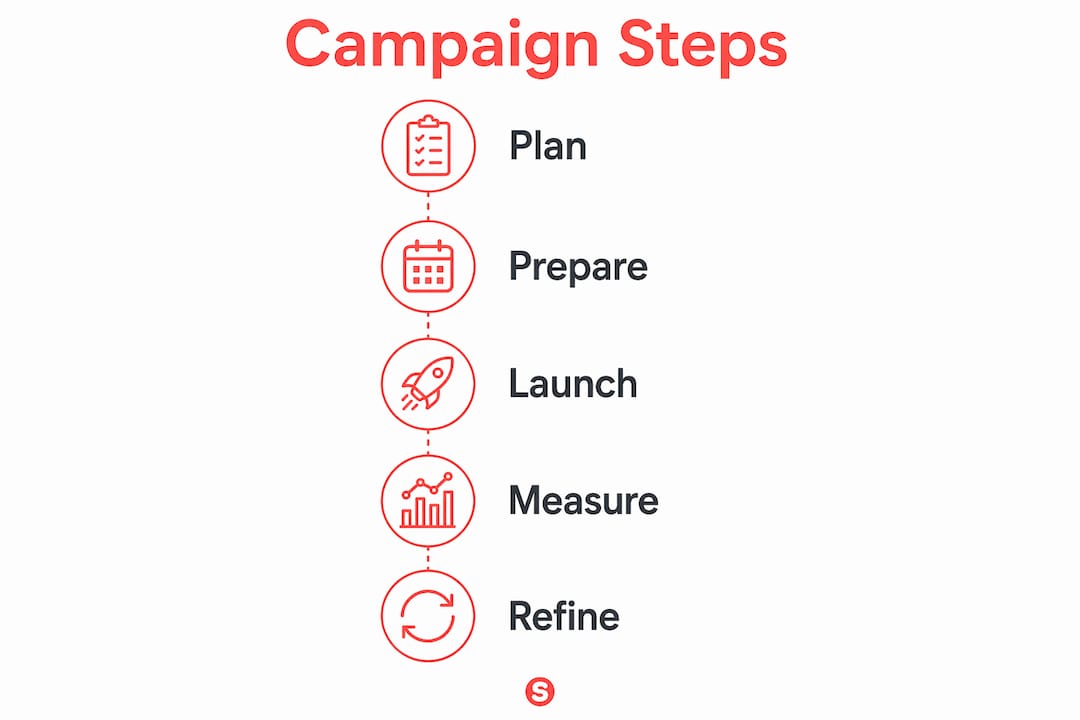
Build a 90-day marketing calendar. Map out every promotion, social post, email send, and event for the next three months. Assign specific weeks to specific offers. This prevents the common trap of scrambling for content at the last minute and ensures your promotions align with seasonal demand, local events, and your own slow periods.
-
Use social media to support, not lead. Social content builds awareness and community, but it rarely drives same-week traffic on its own. Use Instagram and Facebook to show the offer visually, share behind-the-scenes prep, and create urgency with countdown posts. For event-based promotions, consider partnering with local suppliers. Beverage partners like Lando’s B2B program can support bundled offers with product contributions that reduce your cost per promotion.
-
Activate your local community. Neighborhood events, charity tie-ins, and local business partnerships extend your reach beyond your existing customer list. A “locals night” promotion on a slow Tuesday costs almost nothing to execute and builds the kind of word-of-mouth that paid ads cannot replicate.
| Campaign phase | Key action | Timeline |
|---|---|---|
| Pre-launch | Build offer, brief staff, set up tracking | 2 weeks before |
| Launch week | GBP post, email send, social content | Day 1 |
| Mid-campaign | SMS reminder, social engagement | Week 2 |
| Close | Final email, redemption tracking | Final 3 days |
| Post-campaign | ROI analysis, customer feedback review | Week after close |
How do you measure and refine a restaurant promotional campaign?
Measurement turns a one-time promotion into a repeatable system. Without tracking, you are guessing which campaigns work and which ones cost you money.
Start with a baseline. Record your average covers, revenue per cover, and total revenue for the same period in prior weeks before the campaign runs. This gives you a clean comparison point. The lift above that baseline is your incremental result.
Calculating promotion ROI requires one clear formula: incremental revenue minus discount cost minus incremental expenses equals promotion profit or loss. If a Tuesday promotion brought in 40 extra covers at $28 average check, generated $1,120 in incremental revenue, cost $200 in discounts, and added $80 in extra labor, your net promotion profit is $840. That number tells you whether to run the offer again.
Key metrics to track for every campaign:
- Redemption rate: What percentage of people who received the offer actually used it?
- Incremental covers: How many guests came specifically because of the promotion?
- Average check on promoted visits: Did guests spend more or less than your baseline average?
- Repeat visit rate: Did promoted guests return within 60 days at full price?
Pro Tip: Run a small test promotion to 10% of your email list before sending to everyone. If the redemption rate is low, adjust the offer before the full send. This saves you from a costly campaign that misses the mark.
Use redemption data to sharpen your targeting over time. If your Tuesday lunch offer pulls well with guests aged 35–55 but not with younger guests, shift your next campaign’s channel mix toward the platforms that audience actually uses. Continuous refinement is what separates a restaurant digital marketing plan that compounds over time from a series of disconnected blasts.
Key Takeaways
Effective restaurant promotional campaigns succeed when offer design protects margins, timing targets slow periods, and measurement drives continuous improvement.
| Point | Details |
|---|---|
| Protect margins first | Design offers with spend thresholds or bundles, not blanket discounts that require 40% more volume to break even. |
| Target slow periods | Focus promotions on low-traffic dayparts to generate truly incremental visits without cannibalizing full-price traffic. |
| Optimize Google Business Profile | Upload 100+ photos and post weekly updates to capture local search traffic at the moment guests decide where to eat. |
| Use triggered email sequences | Send post-visit emails within 24 hours to achieve 3–5 times higher open rates than generic campaign blasts. |
| Measure ROI precisely | Subtract discount costs and incremental expenses from incremental revenue to know whether each campaign made money. |
What I’ve learned from watching restaurant campaigns succeed and fail
Most restaurant owners I talk to approach promotions backward. They start with the offer (“Let’s do 20% off”) and then figure out who to send it to. The campaigns that actually work start with the slow period, then design the offer around the margin available in that daypart, and only then choose the channel.
The other pattern I see constantly is operational failure. A beautifully designed promotion falls apart because the staff was not briefed properly, the POS was not set up to handle the discount, or the offer had too many conditions for a server to explain mid-rush. Simplicity is not a compromise. It is the strategy.
The restaurants that build real promotional momentum treat their email and SMS lists like owned assets, not afterthoughts. They send consistently, they track redemptions, and they adjust. They do not blast once and wait. The Google Business Profile is the same story. Operators who update it weekly with photos and posts see compounding returns in local search visibility. Those who set it up once and forget it leave significant traffic on the table.
My honest advice: run fewer promotions, but run them better. Two well-designed, well-executed campaigns per month outperform six sloppy ones every time. Build your calendar, brief your team, track your numbers, and repeat what works.
— Barthelemy
How Sorbey supports your restaurant marketing campaigns
Running a restaurant promotion takes more than a good idea. It takes consistent execution across email, SMS, social media, and local search, all at the same time.
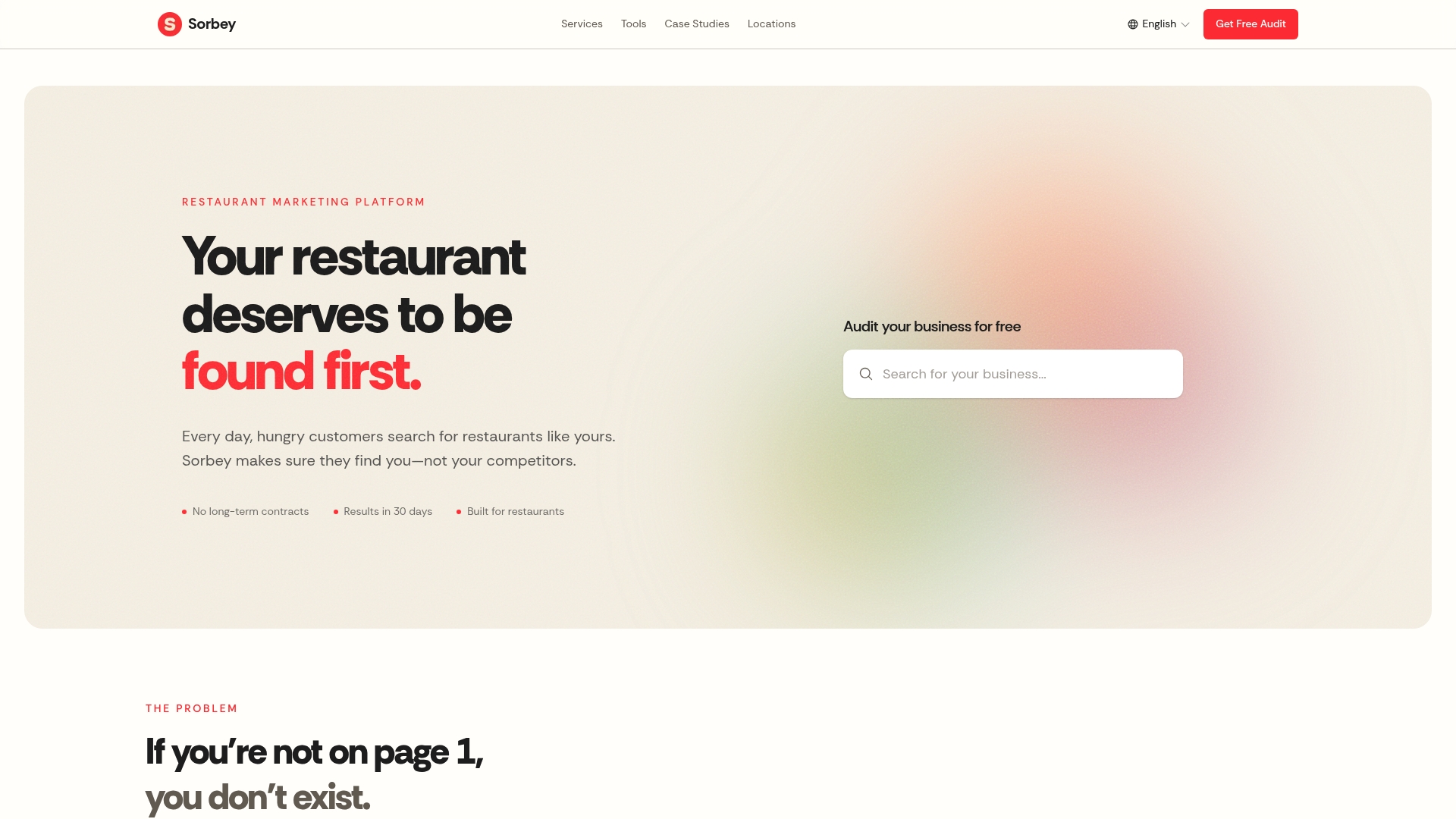
Sorbey is an all-in-one marketing platform built specifically for local businesses like restaurants. It helps you manage your digital presence, build customer lists, and launch campaigns without juggling five different tools. From optimizing your Google My Business profile to scheduling email and SMS sequences, Sorbey puts your marketing on a system so you can focus on running your restaurant. Visit Sorbey to see how it fits your operation.
FAQ
What is a restaurant promotional campaign?
A restaurant promotional campaign is a planned series of marketing actions, including offers, content, and channel activity, designed to increase customer visits and revenue during a specific period.
How often should a restaurant run promotions?
Restaurants should run promotions 2–3 times per month at most. Running offers more frequently trains customers to wait for deals and reduces the perceived value of your full-price menu.
What types of restaurant promotions protect profit margins?
Bundled menus, spend-threshold offers, and value-add promotions (such as a free appetizer with a minimum check) protect margins better than blanket percentage discounts, which require significantly more volume to break even.
How do you measure the success of a restaurant promotion?
Calculate promotion ROI by subtracting discount costs and incremental expenses from the incremental revenue generated. Track redemption rate, incremental covers, and whether promoted guests return at full price within 60 days.
Why is Google Business Profile important for restaurant campaigns?
Restaurants with 100+ photos on their Google Business Profile receive 520% more customer calls than those with fewer than 10 photos. Weekly profile updates increase engagement by 70%, making it one of the highest-return free marketing channels available.
Recommended
You might also like
Best Restaurant Loyalty Programs 2026: ROI Guide
Discover the best restaurant loyalty programs 2026 that boost repeat visits. Learn how Sorbey’s platform can transform your guest data strategy!

Why Mobile Marketing Matters for Business Growth
Discover why mobile marketing matters for business growth. Learn how optimizing for mobile drives traffic, conversions, and customer retention.

SF Dim Sum Restaurant Marketing Checklist for 2026
Transform your SF dim sum with our 2026 marketing checklist. Optimize your profile, showcase dishes, and attract customers fast!