
Blog
The Role of Visual Branding for Restaurant Success
Discover the role of visual branding in restaurant success. Learn how strategic visual elements boost revenue and customer loyalty.
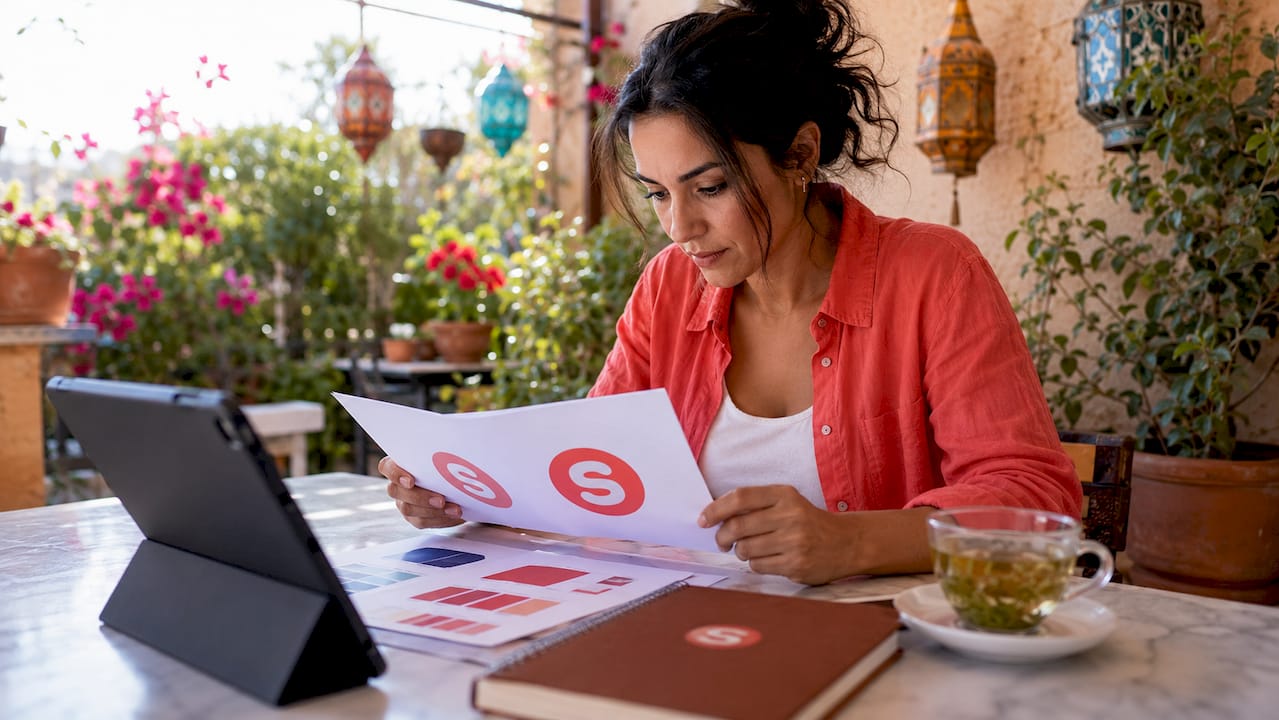
The Role of Visual Branding for Restaurant Success
TL;DR:
- Effective restaurant visual branding involves creating a consistent system of logos, colors, fonts, and imagery that shape customer perceptions. These elements influence first impressions, build trust, and significantly boost revenue and brand visibility. Maintaining and evolving the brand requires regular audits, clear guidelines, and disciplined application across all touchpoints.
Visual branding is defined as a strategic system of visual elements, including logos, color palettes, typography, imagery, and layout, that communicates a restaurant’s identity and builds customer trust before a single word is read. The role of visual branding goes far beyond aesthetics. Consistent visual branding generates up to 23% more revenue and makes a brand 3.5 times more likely to achieve strong visibility. That is not a design benefit. That is a business outcome. For restaurant owners and marketing professionals, understanding how these elements work together is the difference between a forgettable dining experience and a brand customers return to.
What are the essential elements of visual branding for restaurants?
A restaurant’s visual identity is a system, not a single asset. The logo is one piece of that system, not the whole thing. Treating the logo as the brand is the most common and most costly mistake restaurant owners make.
The core elements of a complete visual branding system include:
- Logo: A recognizable mark that anchors the brand, but only functions well when supported by the full system around it.
- Color palette: Colors trigger emotional responses before conscious thought. A warm red and gold palette signals energy and appetite, while muted earth tones communicate farm-to-table authenticity.
- Typography: Font choices communicate personality and professionalism. A serif font reads as established and refined. A hand-lettered script reads as artisan and personal.
- Imagery style: Photography and illustration choices define the mood. Bright, high-contrast food photography signals freshness and excitement. Moody, low-light imagery signals intimacy and premium experience.
- Layout and graphic details: Spacing, borders, icon styles, and compositional rules create visual rhythm across menus, signage, and digital platforms.
- Brand guidelines: A documented rulebook that defines how every element is used. Brand guidelines prevent design drift across social posts, menus, packaging, and signage.
Pro Tip: Before you brief any designer, write down three words that describe exactly how you want a first-time guest to feel when they see your brand. Those three words should drive every visual decision.
Each element earns its place by doing a specific job. When all six work together under documented rules, the result is a brand that customers recognize instantly and trust consistently.

How does visual branding impact customer perception and business outcomes?
First impressions in restaurants are almost entirely visual. 94% of first impressions are design-related. That means your menu design, storefront signage, and Instagram grid are doing more persuasive work than your staff’s opening greeting.
“Brand aesthetic is the immediate visual mood customers perceive, formed before any words are read. In the restaurant industry, that first half-second of visual contact determines whether a potential customer leans in or walks away.”
This is not abstract psychology. Visual elements reduce cognitive load by organizing information efficiently. When a restaurant’s visuals are coherent, the brain processes the brand faster and assigns trust more quickly. When visuals are inconsistent, the brain works harder and trust erodes.
The business case is direct. Consistent visual identity increases revenue by up to 23% and brand visibility by 3.5 times. For a restaurant generating $800,000 annually, a 23% revenue lift represents $184,000 in additional income. That is the financial weight of a color palette decision.
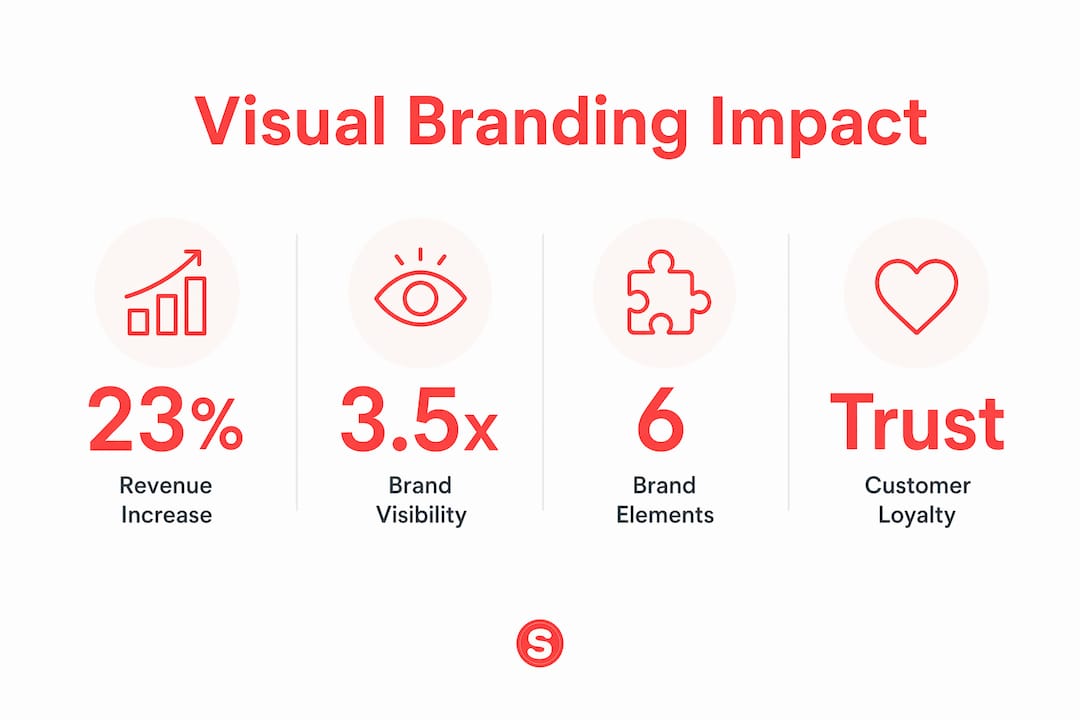
Visual consistency builds trust and manages customer expectations over time. A guest who sees your brand look the same on your website, your takeout bag, and your table tent develops confidence in your operation. That confidence converts into repeat visits and word-of-mouth referrals, both of which cost nothing to generate once the brand system is in place.
What are effective visual branding strategies for restaurant businesses?
The most effective visual branding strategies start with positioning, not pixels. Branding decisions anchored in strategic positioning outperform decisions based on personal preference every time. Before you choose a font or a color, you need to know exactly who you are speaking to and what emotional experience you are promising them.
A practical approach for restaurant owners follows this sequence:
- Define your positioning. Are you a neighborhood comfort spot, a fast-casual health brand, or a fine-dining destination? Each position requires a completely different visual language.
- Identify your target customer. A 28-year-old urban professional and a 55-year-old suburban family respond to different visual cues. Know which one you are designing for.
- Choose your emotional target. Decide whether your brand should feel warm, exciting, refined, playful, or trustworthy. Every visual choice should reinforce that single emotional target.
- Build the full visual system. Develop your color palette, typography, imagery style, and layout rules before finalizing the logo. Working backwards from a logo to a brand aesthetic produces inconsistent results.
- Apply across all touchpoints. Menus, signage, packaging, social media, email headers, and your website must all speak the same visual language. Gaps in consistency are gaps in trust.
- Document everything in a brand style guide. A one-page visual reference sheet is the minimum. A full guide covers color codes, font files, logo usage rules, and photography direction.
Pro Tip: Pair your brand style guide with a simple content calendar. Scheduling visual content in advance prevents last-minute design decisions that break your brand rules.
For ongoing professional support, restaurant owners typically choose between a freelance designer on retainer or a flat-fee design subscription service. Professional branding support averages around $399 per month for unlimited design work. That cost is modest compared to the revenue impact of consistent visual execution. For deeper guidance on positioning your restaurant brand, strategic brand positioning is a discipline worth studying before you brief any creative team.
How do you maintain and evolve your restaurant’s visual branding?
Maintaining visual branding is an operational discipline, not a one-time project. Most restaurants invest in a brand refresh and then let it drift within six months because no one owns the visual standards day to day.
The practices that prevent drift include:
- Quarterly brand audits. Review every customer-facing touchpoint, including your website, social profiles, printed menus, signage, and packaging, against your brand style guide. Flag anything that deviates.
- Centralized asset storage. Keep all approved logos, fonts, color codes, and image templates in a shared folder that every team member and vendor can access. Inconsistency often comes from outdated files, not bad intentions.
- Seasonal update protocols. Plan visual updates for seasonal menus or campaigns in advance. Define which elements can change (photography, promotional graphics) and which must stay fixed (logo, core color palette, typography).
- Vendor briefing standards. Every printer, web developer, and social media contractor should receive your brand style guide before starting any work.
| Maintenance task | Frequency | Purpose |
|---|---|---|
| Brand audit across all touchpoints | Quarterly | Catch and correct visual drift early |
| Asset library review | Every 6 months | Remove outdated files, add new approved assets |
| Style guide update | Annually or after major changes | Reflect brand evolution without losing core identity |
| Vendor brief review | Before each new project | Align external partners with current standards |
Evolving your brand over time requires balancing recognition with relevance. Customers build loyalty to visual cues they recognize. Changing too much too fast breaks that recognition. The safest approach is to refresh photography and graphic details while keeping the core color palette and typography stable. Restaurant branding consistency across all touchpoints is the single most reliable driver of long-term customer trust.
Key Takeaways
A restaurant’s visual branding system, built on clear positioning and documented guidelines, directly drives customer trust, brand recognition, and measurable revenue growth.
| Point | Details |
|---|---|
| Visual branding is a system | Logos, color, typography, imagery, and layout must work together under documented rules. |
| First impressions are design-driven | 94% of first impressions are design-related, making visual quality a direct trust signal. |
| Consistency drives revenue | Consistent visual identity increases revenue by up to 23% and brand visibility by 3.5 times. |
| Strategy precedes design | Define positioning and emotional target before choosing any visual element or briefing a designer. |
| Maintenance prevents drift | Quarterly audits and centralized asset storage keep visual standards intact across all touchpoints. |
Why most restaurant brands look inconsistent (and how to fix it)
The restaurants I see struggle most with branding share one pattern: they started with a logo. A designer created something the owner liked, and then the rest of the brand grew up around it without a plan. The result is a menu that looks different from the website, a social feed that looks different from the signage, and a customer who cannot form a clear picture of what the restaurant stands for.
The logo is not the brand. The brand is the body language of your restaurant. It is the mood a customer picks up before they read your name. Visual branding built on positioning rather than personal preference produces brands that communicate clearly and consistently. That clarity is what builds loyalty, not the logo itself.
The fix is not expensive. It requires discipline more than budget. Write down your positioning. Define your emotional target. Build your visual rules. Then apply them everywhere, every time. Restaurant owners who treat visual branding as an operational standard rather than a creative project see the difference in their repeat customer rates within months.
— Barthelemy
How Sorbey supports your restaurant’s visual branding
Building a consistent visual brand takes more than good design. It takes a system that works across every channel your restaurant uses to reach customers.
Sorbey provides restaurant marketing solutions built specifically for local food and beverage businesses. From visual branding strategy to ongoing content and campaign support, Sorbey gives restaurant owners a single place to manage the marketing work that drives real customer engagement. If your brand looks different on your menu than it does on your Instagram, that is a problem Sorbey is built to solve. Explore how visual marketing for restaurants can work as a complete system for your business.
FAQ
What is the role of visual branding in a restaurant?
Visual branding communicates a restaurant’s identity, values, and emotional promise through logos, color, typography, and imagery. It builds customer trust and recognition before any verbal interaction occurs.
Why does visual branding consistency matter for revenue?
Consistent visual branding increases revenue by up to 23% and makes a brand 3.5 times more likely to achieve strong visibility. Inconsistency signals unprofessionalism and erodes customer confidence.
What visual branding elements should a restaurant prioritize first?
Define your color palette and typography before finalizing a logo. These foundational elements shape every other visual decision and prevent the brand drift that comes from designing without a system.
How often should a restaurant update its visual branding?
Core elements like color palette and typography should remain stable for years to protect brand recognition. Photography and promotional graphics can refresh seasonally without disrupting the overall identity.
What does a restaurant brand style guide include?
A brand style guide documents logo usage rules, exact color codes, approved fonts, imagery direction, and layout standards. It is the reference document that keeps every designer, printer, and vendor aligned with your visual standards.
Recommended
You might also like

Best Restaurant Loyalty Programs 2026: ROI Guide
Discover the best restaurant loyalty programs 2026 that boost repeat visits. Learn how Sorbey’s platform can transform your guest data strategy!

Why Mobile Marketing Matters for Business Growth
Discover why mobile marketing matters for business growth. Learn how optimizing for mobile drives traffic, conversions, and customer retention.
SF Dim Sum Restaurant Marketing Checklist for 2026
Transform your SF dim sum with our 2026 marketing checklist. Optimize your profile, showcase dishes, and attract customers fast!