
Blog
Best practices for restaurant websites in 2026
Discover proven best practices for restaurant websites in 2026. Learn which features drive engagement, how to optimize for local SEO, and make smart decisions for your restaurant's unique needs.
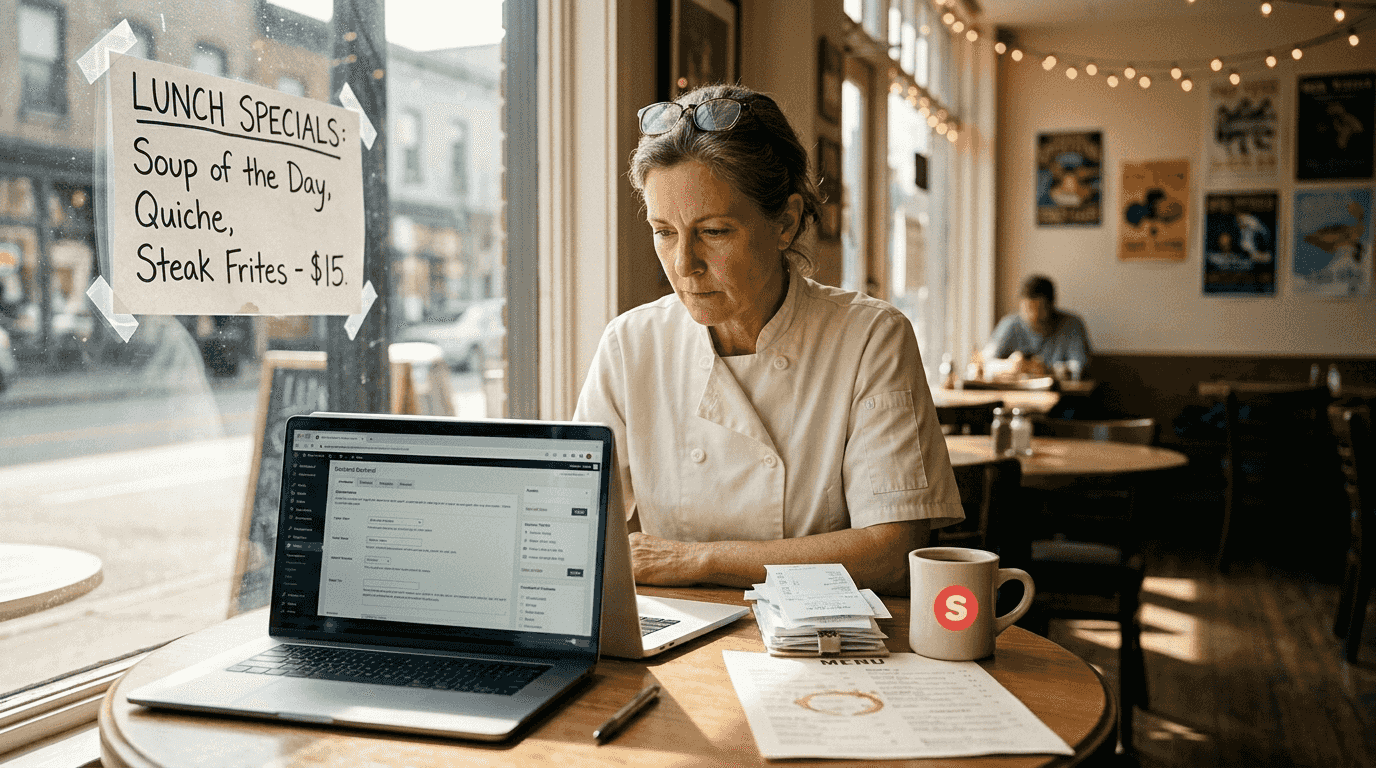
Best practices for restaurant websites in 2026
Restaurant owners face a critical challenge in 2026: selecting website features that genuinely drive customer engagement and online visibility. With countless options available, from online ordering to social media integrations, it’s easy to invest in features that look impressive but deliver minimal results. This guide presents a clear framework for evaluating website elements based on proven criteria like mobile optimization, local SEO impact, and conversion potential. You’ll learn which best practices deliver measurable results, how to compare popular features, and how to choose the right mix for your restaurant’s unique needs and budget.
Table of Contents
- Criteria For Evaluating Best Practices For Restaurant Websites
- Top Best Practices For Restaurant Websites In 2026
- Comparing Popular Website Features: Which Options Deliver The Best Results?
- Deciding Which Best Practices Fit Your Restaurant’s Unique Needs
- Get Expert Help Optimizing Your Restaurant Website
Key takeaways
| Point | Details |
|---|---|
| Mobile optimization is essential | Fast loading and responsive design increase engagement and search rankings |
| Clear calls to action drive conversions | Visible reservation buttons and menu links improve customer actions |
| Local SEO brings nearby customers | Location pages and Google My Business optimization increase foot traffic |
| Consistent branding builds trust | Unified visual identity across pages strengthens recognition and credibility |
| Regular content updates support rankings | Fresh blog posts and menu updates signal active business to search engines |
Criteria for evaluating best practices for restaurant websites
Before investing in any website feature, you need a systematic way to assess its potential impact. The most effective restaurant websites in 2026 share common characteristics that directly influence customer behavior and search visibility. Understanding these evaluation criteria helps you separate genuinely valuable features from trendy additions that waste resources.
Mobile optimization, page speed, clear navigation, and SEO impact are critical website success factors for restaurants in 2026. Your website must load in under three seconds on mobile devices, as most restaurant searches now happen on smartphones during decision-making moments. Slow loading causes visitors to abandon your site before viewing your menu or location.
Navigation clarity determines whether visitors find essential information quickly. If customers can’t locate your menu, hours, or contact details within two clicks, they’ll visit a competitor instead. Your homepage should feature prominent buttons for reservations, menus, and location information.
Local SEO elements like dedicated location pages improve discoverability for nearby customers searching for dining options. Including your complete address, phone number, and accurate business hours in structured formats helps search engines connect your restaurant with relevant local queries. This becomes especially important for multi-location restaurants needing distinct pages for each site.
Engagement features like online reservations and customer reviews increase interaction and build trust. These elements transform passive browsers into active customers by reducing friction in the booking process. When evaluating restaurant website optimization criteria, prioritize features that:
- Reduce steps between discovery and conversion
- Provide immediate value to first-time visitors
- Support mobile users with touch-friendly interfaces
- Integrate with existing restaurant management systems
- Generate measurable data on customer behavior
Top best practices for restaurant websites in 2026
Implementing proven best practices ensures your website delivers consistent results rather than relying on guesswork. The highest-performing restaurant websites combine technical excellence with customer-focused design that anticipates visitor needs at every stage.
Responsive design ensures usability across all devices, from smartphones to desktop computers. Your menu, images, and reservation forms must adapt seamlessly to different screen sizes without requiring horizontal scrolling or pinch-to-zoom actions. This isn’t optional in 2026, as Google penalizes sites that fail mobile usability tests.
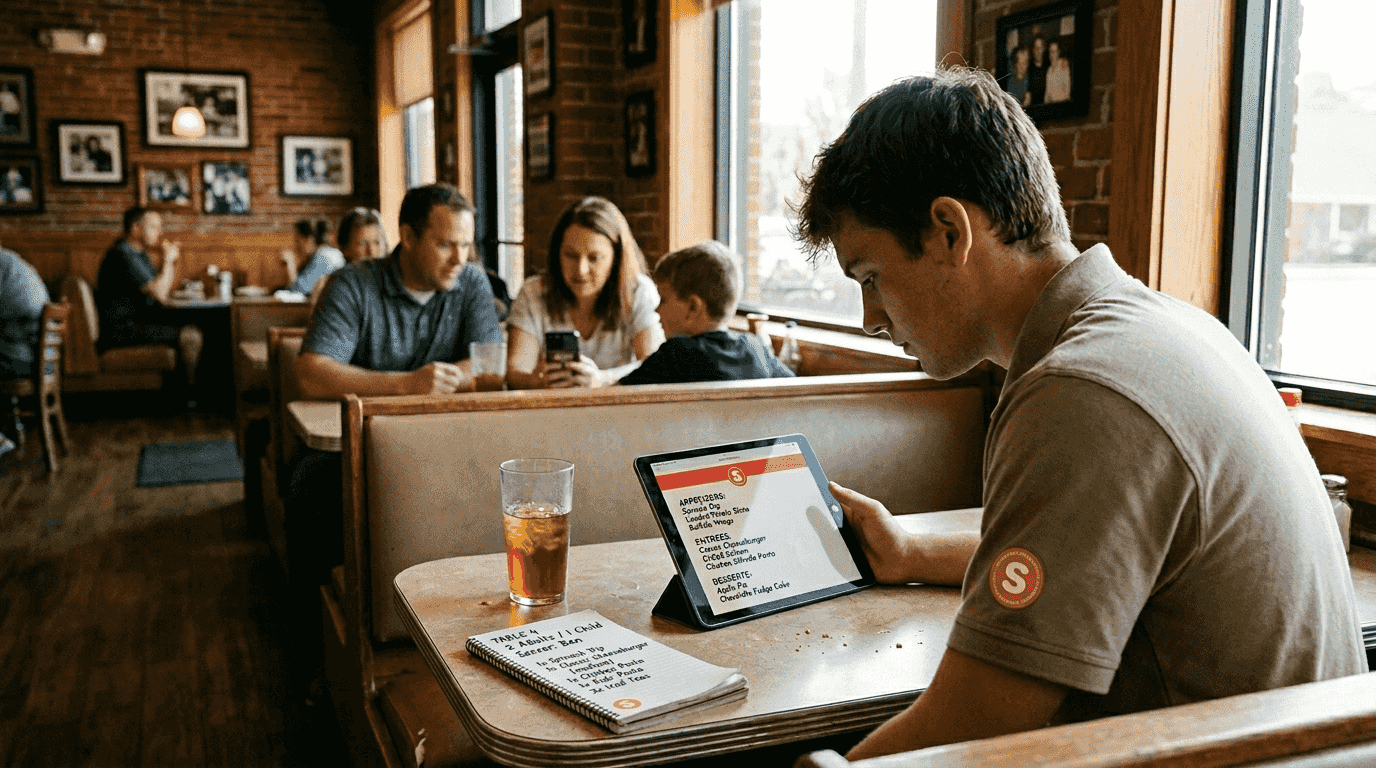
An easily accessible online menu with current prices removes a major conversion barrier. Display your full menu on a dedicated page rather than forcing downloads of PDF files that frustrate mobile users. Include high-quality photos of signature dishes and clear descriptions that help customers make confident ordering decisions.
Integrating online reservations, clear menu displays, and trust signals are best practices that drive customer conversion. A prominent reservation button on your homepage, preferably above the fold, captures customers during their peak interest moment. Connect this system to your table management software to prevent double bookings and streamline operations.
Customer reviews and testimonials build trust with new visitors who lack personal experience with your restaurant. Feature recent five-star reviews on your homepage and create a dedicated testimonials page. Respond professionally to all reviews, including negative ones, to demonstrate active management and customer care.
Optimizing your homepage for local SEO for restaurants with correct address and hours ensures accurate search results. Embed a Google Map showing your exact location and include schema markup that helps search engines understand your business details. Update holiday hours promptly to avoid disappointing customers who arrive at closed doors.
Pro Tip: Add a live chat feature during business hours to answer questions about dietary restrictions, party sizes, or special requests. This personal touch converts hesitant browsers into confirmed reservations.
Additional high-impact practices include:
- Showcasing daily specials or seasonal menus to encourage repeat visits
- Displaying awards, certifications, or press mentions for credibility
- Including clear allergen information and dietary accommodation details
- Featuring chef profiles or restaurant history for authentic connection
- Optimizing images with descriptive alt text for accessibility and SEO
Comparing popular website features: which options deliver the best results?
Not all website features provide equal value for your investment. Understanding the strengths and weaknesses of popular options helps you allocate budget toward features that generate measurable returns rather than superficial appeal.
Features like online ordering and mobile-friendly design rank highest in customer engagement and sales impact. The following comparison helps you evaluate which features deserve priority based on your restaurant type and customer base.
| Feature | Strengths | Weaknesses | Best For |
|---|---|---|---|
| Online ordering system | Direct revenue increase, reduces phone orders, integrates with delivery apps | Setup costs, maintenance requirements, commission fees | Casual dining, pizzerias, cafes |
| Reservation platform | Reduces no-shows, optimizes table turnover, captures customer data | Monthly subscription fees, staff training needed | Fine dining, popular restaurants |
| Mobile responsive design | Improves SEO rankings, increases engagement, reduces bounce rates | Requires professional development, ongoing testing | All restaurant types |
| Customer review display | Builds trust, provides social proof, improves conversion rates | Requires active management, risk of negative reviews | Established restaurants with positive reputation |
| Visual menu with photos | Increases order values, aids decision making, showcases quality | Professional photography costs, regular updates needed | Upscale casual, ethnic cuisine |
| Blog or content section | Supports SEO, demonstrates expertise, engages community | Time investment, content creation skills required | Restaurants building brand authority |
Online ordering delivers the highest ROI for restaurants focused on takeout and delivery, often increasing sales by 20 to 30 percent. However, the feature requires integration with kitchen display systems and ongoing management of menu updates across platforms.
Mobile responsiveness remains non-negotiable regardless of restaurant type or size. Google’s mobile-first indexing means your site’s mobile version determines your search rankings. Even fine dining establishments with primarily desktop-browsing customers need flawless mobile experiences.
Customer reviews improve credibility but demand careful management. Negative reviews require professional responses within 24 hours, and you’ll need a strategy for encouraging satisfied customers to share positive experiences. The trust-building benefit outweighs the management effort for most restaurants.
Pro Tip: Start with mobile optimization and local SEO as your foundation, then add advanced features like online ordering once you’ve mastered the basics. This staged approach prevents overwhelming both your team and your customers.
When comparing restaurant website features comparison, consider your current operational capacity alongside customer expectations. A feature that works brilliantly for a competitor might create operational headaches if your team lacks the systems to support it.
Deciding which best practices fit your restaurant’s unique needs
Selecting the right mix of website features requires honest assessment of your restaurant’s specific situation rather than copying competitors or chasing trends. Your cuisine type, target customer demographics, location, and operational capacity all influence which best practices deliver optimal results.
Assess your restaurant’s goals and customer demographics first. A neighborhood bistro serving local regulars has different website needs than a downtown restaurant targeting business travelers and tourists. Understanding your primary customer journey, from initial discovery through reservation or order, reveals which features remove friction and which add unnecessary complexity.
Budget constraints influence which advanced features make sense for your current stage. A newly opened restaurant should prioritize mobile optimization and local SEO over expensive online ordering systems. Tailoring website features based on restaurant type and budget ensures better engagement and avoids wasted resources on features your customers don’t value.
Mobile responsiveness and local SEO deserve investment regardless of restaurant size or budget. These foundational elements cost less than advanced features while delivering consistent returns through improved search visibility and user experience. Even a simple, well-optimized website outperforms a feature-rich site that loads slowly or confuses visitors.
Implement advanced features like online ordering as you scale and verify customer demand. Start by monitoring how many customers ask about online ordering or delivery options. If requests remain minimal, investing in a full ordering system wastes money better spent on marketing or operations.
A stepwise approach prevents overwhelming customers with too many options while allowing you to refine each feature before adding the next. Consider this implementation sequence:
- Establish mobile-responsive design with fast loading speeds
- Optimize for tailoring local SEO strategies with accurate business information
- Add clear calls to action for reservations or contact
- Integrate customer reviews and testimonials
- Implement online ordering or reservation systems based on demand
- Develop content marketing through blogs or seasonal promotions
Key decision factors include:
- Current website traffic volume and conversion rates
- Staff capacity to manage new systems and customer interactions
- Competitive landscape in your immediate area
- Customer feedback about desired features or pain points
- Technical infrastructure and point-of-sale system compatibility
Your restaurant’s unique value proposition should guide feature selection. A farm-to-table restaurant benefits more from blog content about ingredient sourcing than a sports bar, which might prioritize event calendars and large group reservation options.
Get expert help optimizing your restaurant website
Implementing these best practices requires expertise in both restaurant operations and digital marketing strategy. Professional guidance accelerates results while avoiding costly mistakes that waste time and budget on ineffective features.
Sorbey specializes in restaurant marketing services tailored for establishments of all sizes, from single-location bistros to regional chains. Our team understands the unique challenges restaurant owners face in balancing operational demands with marketing effectiveness. We help you prioritize website improvements that deliver measurable increases in reservations, orders, and customer engagement.
Before committing to major website investments, explore our restaurant marketing tools and calculators to estimate potential returns. The marketing ROI calculator helps you forecast how specific website features will impact your bottom line based on your current traffic and conversion rates. These free resources provide data-driven insights that support smarter decision making about where to invest your marketing budget for maximum impact.
FAQ
What are the must-have features for a restaurant website in 2026?
Mobile responsive design, fast page loading under three seconds, and an easily accessible menu with current pricing form the essential foundation. Add a clear call to action for reservations or orders, accurate location and hours information, and customer reviews for credibility. These core features address the most common reasons customers visit restaurant websites and directly impact conversion rates.
How can local SEO improve my restaurant website’s performance?
Local SEO for restaurants helps your website appear when nearby customers search for dining options, directly increasing foot traffic and online orders. Optimizing your Google My Business profile with accurate information, creating location-specific pages, and using local keywords in your content ensures search engines connect your restaurant with relevant queries. This strategy proves especially effective for capturing customers searching on mobile devices while actively looking for nearby dining options.
What is the impact of mobile optimization on restaurant websites?
Mobile optimization ensures smooth browsing for the majority of restaurant website visitors, increasing time on site and conversion rates by 25 to 40 percent. Responsive design, touch-friendly buttons, and fast loading on cellular networks reduce bounce rates and frustration. Google prioritizes mobile-friendly websites in search rankings, meaning poor mobile performance directly reduces your organic traffic and visibility to potential customers searching for restaurants in your area.
Are online ordering and reservation systems necessary for all restaurant websites?
Online ordering suits casual dining, pizzerias, and delivery-focused restaurants by streamlining the ordering process and increasing average ticket sizes. Reservation systems benefit dine-in establishments, particularly fine dining and popular restaurants, by reducing no-shows and optimizing table turnover. However, small cafes or counter-service restaurants may find these features add unnecessary complexity without matching customer expectations or operational workflows.
Recommended
Potrebbe interessarti anche

Best Restaurant Loyalty Programs 2026: ROI Guide
Discover the best restaurant loyalty programs 2026 that boost repeat visits. Learn how Sorbey’s platform can transform your guest data strategy!

Why Mobile Marketing Matters for Business Growth
Discover why mobile marketing matters for business growth. Learn how optimizing for mobile drives traffic, conversions, and customer retention.

SF Dim Sum Restaurant Marketing Checklist for 2026
Transform your SF dim sum with our 2026 marketing checklist. Optimize your profile, showcase dishes, and attract customers fast!